On August 29, 2015, Ongehoord published shocking images from mink farms. The photos and videos reveal animals with large flesh wounds, gnawed tails, infections, and minks displaying stereotypical behavior. This investigation shows that fur farmers have not given an honest view of their industry.
For years, people could only view the show farm in Ederveen or visit during a carefully planned open house. It wasn't until the Ongehoord investigation team made an unannounced visit to the mink farm that the conditions in which these animals are kept became clear.
Mink farming has faced criticism in the Netherlands for years. To avoid a potential ban, Dutch mink farmers operate farms across Europe. An investigation shows that the Dutch own 44 farms in 13 different countries. Animal welfare organizations from Poland, Lithuania, and the Netherlands have shared images highlighting the suffering of animals on these farms. This international investigation is available at www.dutchfur.nl. Tusti Narvai (Lithuania), Otwarte Klatki (Poland), and Ongehoord (Netherlands) worked together to map Dutch mink farms. Their findings revealed that minks endure terrible conditions. Animal rights activists visited Dutch-owned farms in various countries, filming the minks' living environments. They observed little difference across locations: many minks had wounds, dead minks were found in wire cages, and some animals displayed repetitive movements due to boredom and frustration. It's clear why the Netherlands attempted to ban mink farming.
Fur farmers often claim that a ban in the Netherlands would simply shift farms to other countries. They argue that animals in Spain or Poland face worse treatment than those in the Netherlands. However, this website demonstrates that minks in the Netherlands are at least as poorly treated as their counterparts in Eastern Europe. Therefore, it's not accurate to say that banning mink farming would harm the animals more.
Where we filmed
2 locations
What can you do?
Share this investigation
Share this investigation with people around you.
More investigations
Other investigations into the same animals and the same industry.
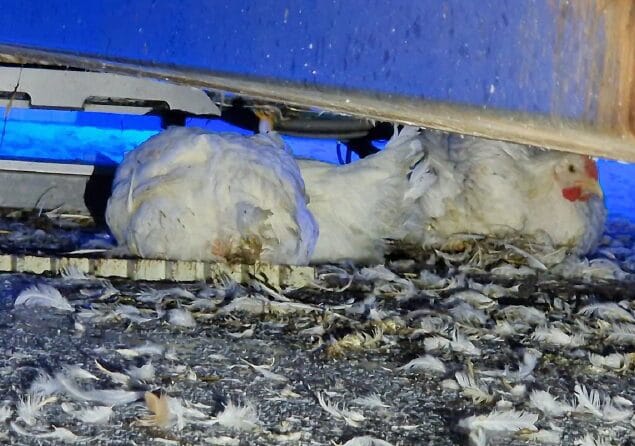 Animal suffering stacks up in Beter Leven slaughterhouseAt chicken slaughterhouse Plukon in Blokker, NVWA inspectors see dozens of animals with large, open wounds and bleeding, dislocated wings. The chickens lie underneath a machine that unstacks the transport crates. Plukon promotes the device as an animal welfare improvement. In reality, accidents happen there with clockwork regularity.
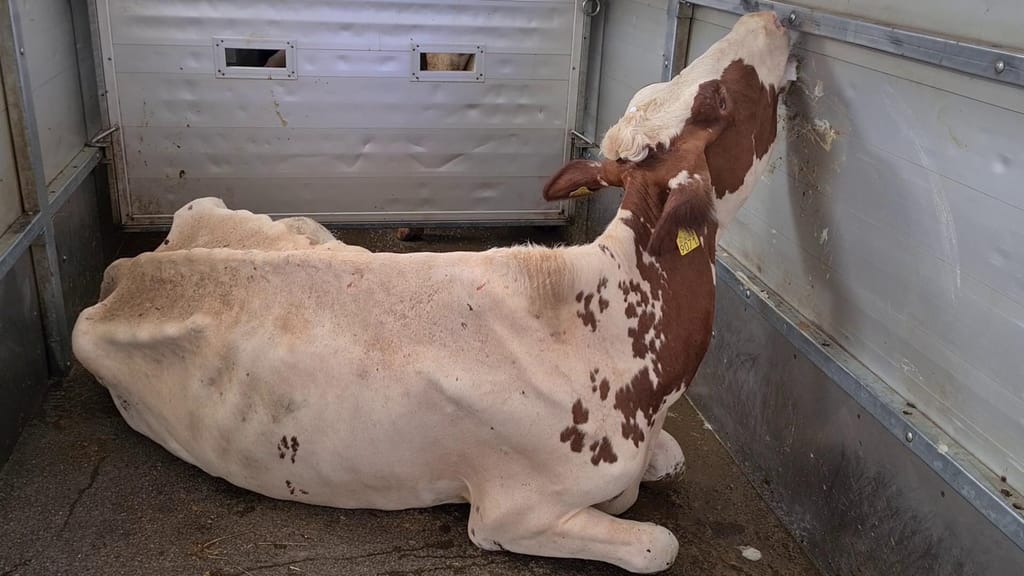 NVWA hardly acted against abuses in cattle transportAfter a short life in the dairy industry, cows are exhausted, their bodies milked dry. The pregnancies and intensive milking take their toll. They limp into the slaughterhouse on three legs, with open wounds on their udders, abscesses on their hooves, and swollen joints. Although it is prohibited, the NVWA largely permits the transport of these sick animals.
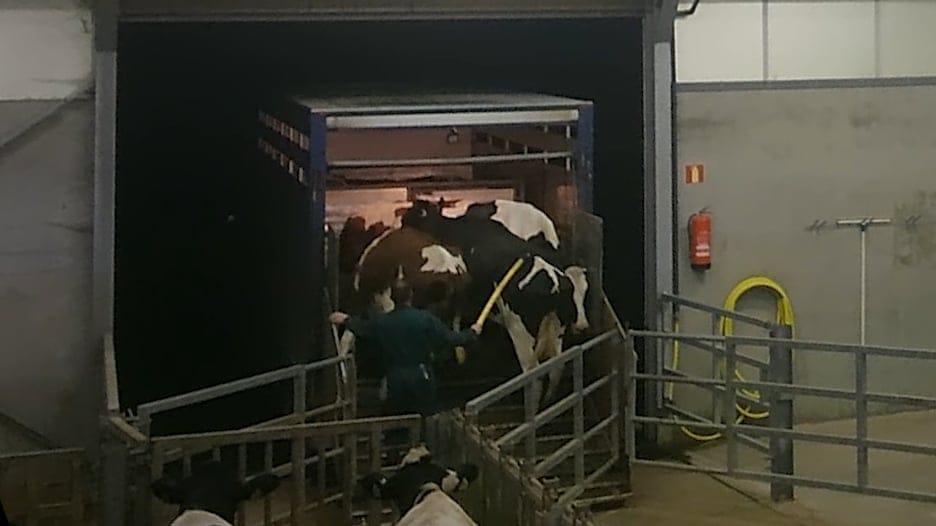 Milked OutA cow that can no longer stand up. The cattle trader kicks her, yanks at her legs, and delivers more than forty electric shocks. When that has no effect, the cow, fully conscious, is dragged away with a shovel. Using hidden cameras, Ongehoord documented the loading and unloading of cows at five locations in the Netherlands. At these facilities, mother cows and their calves are kicked, beaten with sticks, or driven forward with electric shock devices.