Chapter 4 / 4
Freedom and happiness
Different stable systems and animal welfare There are several ways to keep chickens. The eggs laid by the hens are provided with codes, and the cartons often also carry a quality mark to indicate how the chickens were kept and which welfare criteria were met. The eggs themselves must always be stamped with numbers and letters. The first digit is the so-called egg code. This code consists of a number from 0 to 3 and provides information about the housing of the laying hens. - Code 0 = Organic eggs - Code 1 = Free-range or grass-fed eggs - Code 2 = Barn eggs - Code 3 = Cage eggs
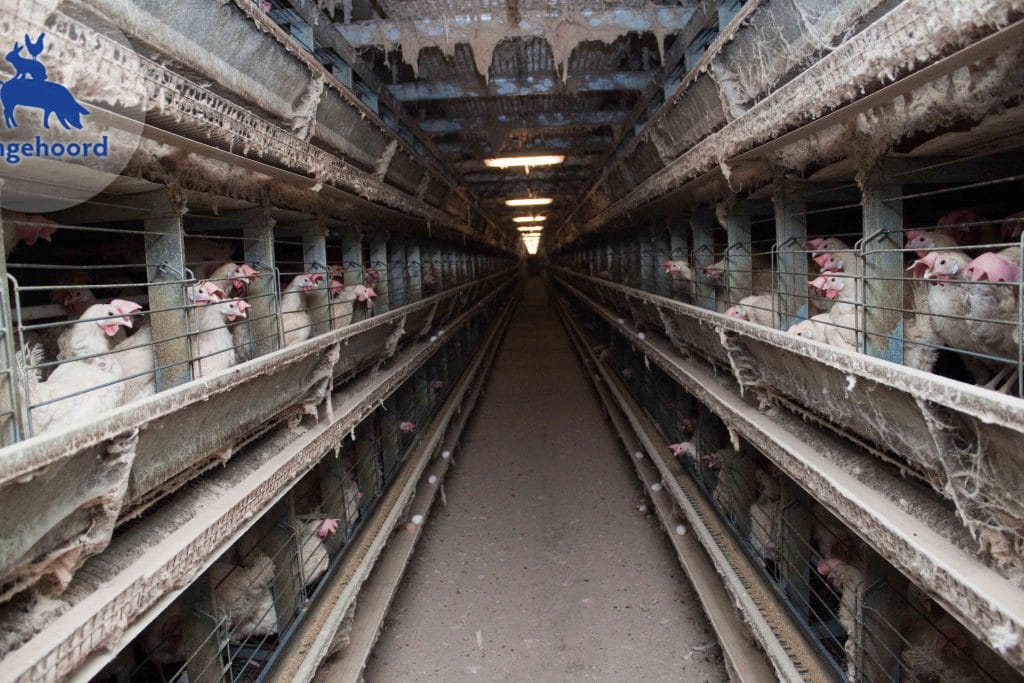
Cage systems
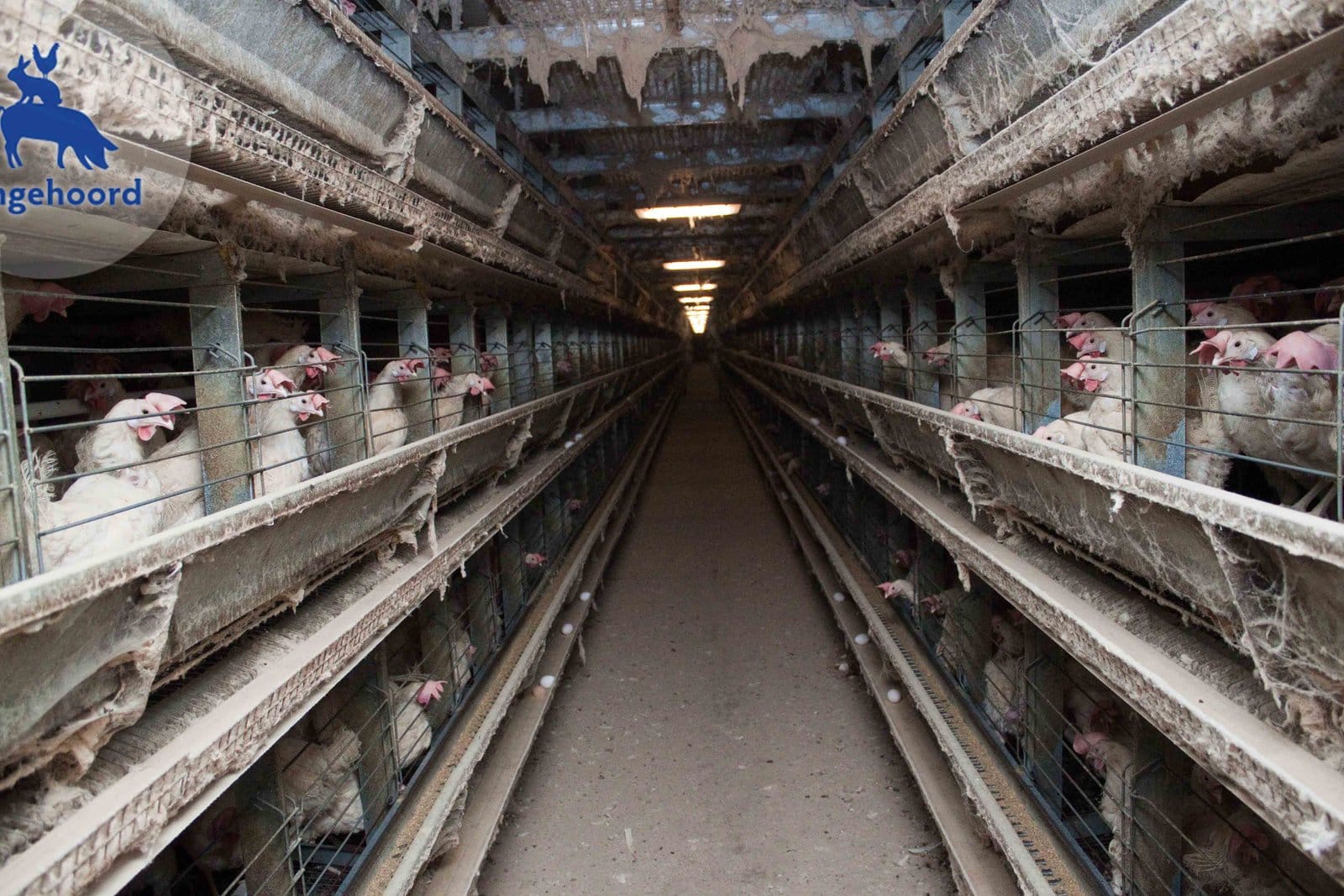
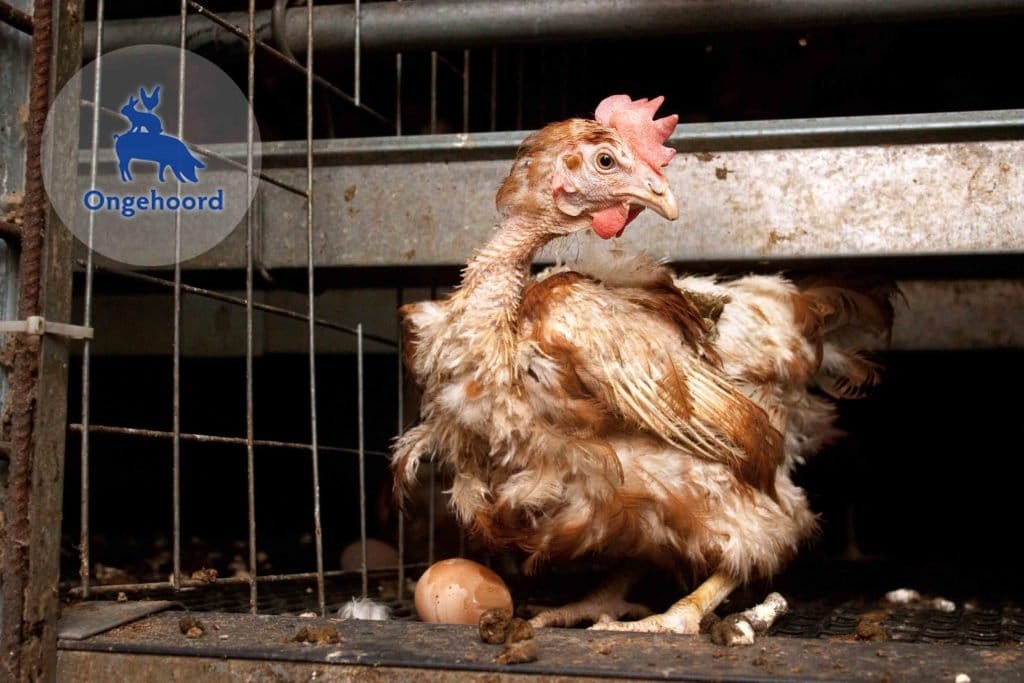
Although battery cages are banned, "enriched cages" are still allowed. In these cages, hens cannot spread their wings. Each hen has a minimum space of 750 cm², which is about 1.2 times the size of an A4 sheet of paper. This is slightly more space than in traditional battery cages, where hens had only 0.9 times an A4 sheet. Cages are considered "small" if they hold up to 15 hens and "large" if they hold between 15 and 60 hens. The space per hen remains the same in both small and large cages. These cages feature a mesh floor that lets manure fall through and be collected underneath.
Compared to traditional battery cages, enriched cages have some added features, or enrichments, such as a perch, a nesting box, and a litter area. Although enriched cages will eventually be banned, the deadline has already been pushed back from 2017 to 2021.
Another type of cage system is colony housing, where 30 to 60 chickens live in a large cage with at least 2.5 m² of space. In this setup, each chicken has a minimum area of 900 cm², which is about 1.4 times the size of an A4 sheet. This type is also known as a "small aviary" and includes the same enrichments as enriched cages.
Free-range systems
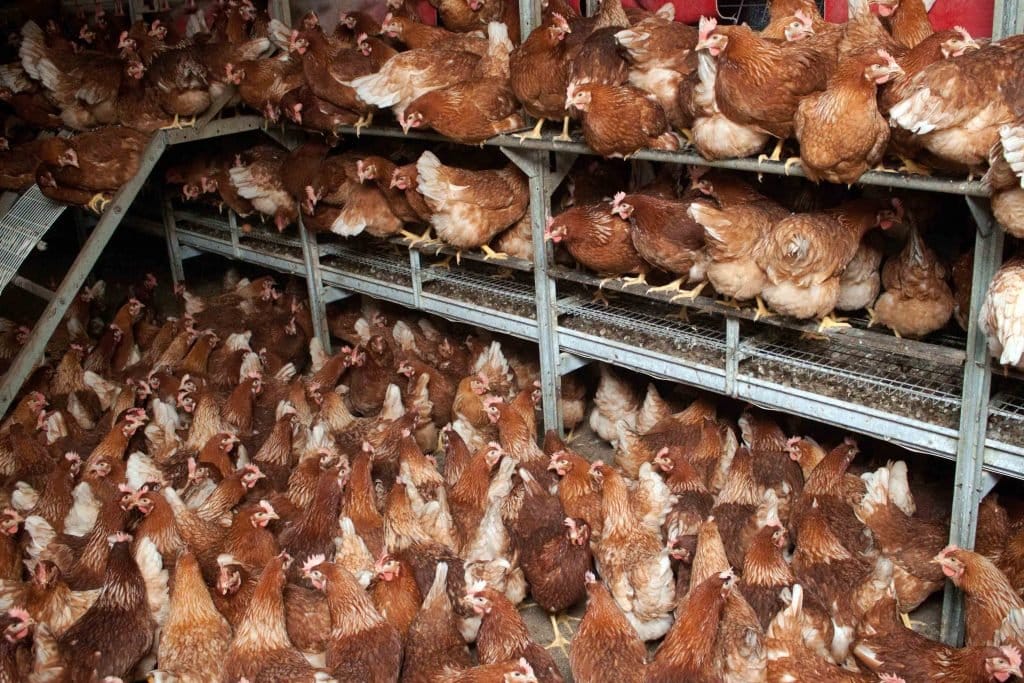
In a free-range coop, hens can move around freely, with feeding and drinking stations placed in various locations throughout the coop. The floor typically consists of a combination of slatted and solid surfaces (at least one-third of the total area), along with littered areas for scratching. Nests for laying eggs and perches are also available. All facilities in the barn can be arranged on a single level (floor housing) or spread across multiple accessible levels (aviary housing). Having multiple levels allows for housing more laying hens within the same barn space. Laying hens in free-range barns have at least 1111 cm² of open floor space, which is roughly equivalent to less than two A4 sheets of paper. Free-range hens do not have unrestricted access to the outdoors and typically spend their entire lives indoors without exposure to natural daylight.
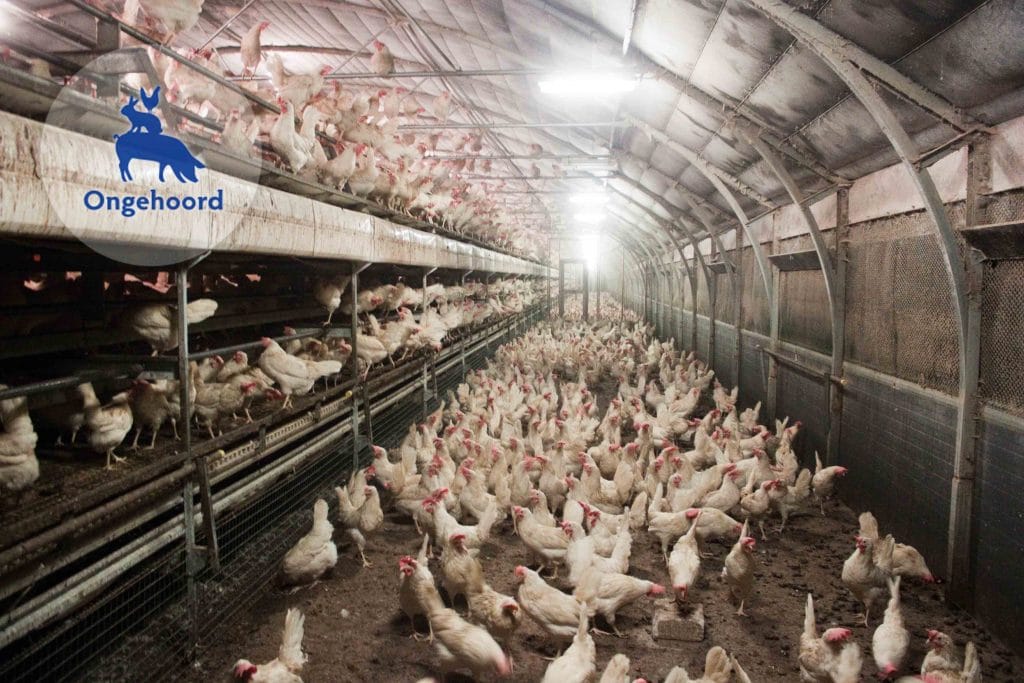
Greater freedom for a hen generally has a positive impact on the welfare of the chicken. This freedom enables them to forage and explore more, which helps reduce stress. Increased exercise also contributes to stronger bones and muscles, leading to better overall health compared to caged laying hens, which have limited exercise. However, the downside is an elevated risk of fractures and other injuries due to collisions, falls, and similar incidents. For example, modern laying hens are significantly heavier than their ancestors, but their wing strength has not increased. Additionally, chickens are primarily ground birds and not adept flyers. This can result in uncontrolled landings, falls, and/or collisions when jumping or fluttering between floors. Consequently, these injuries are more prevalent in multi-story housing like aviaries than in single-story housing. [55]
Free-range barn system
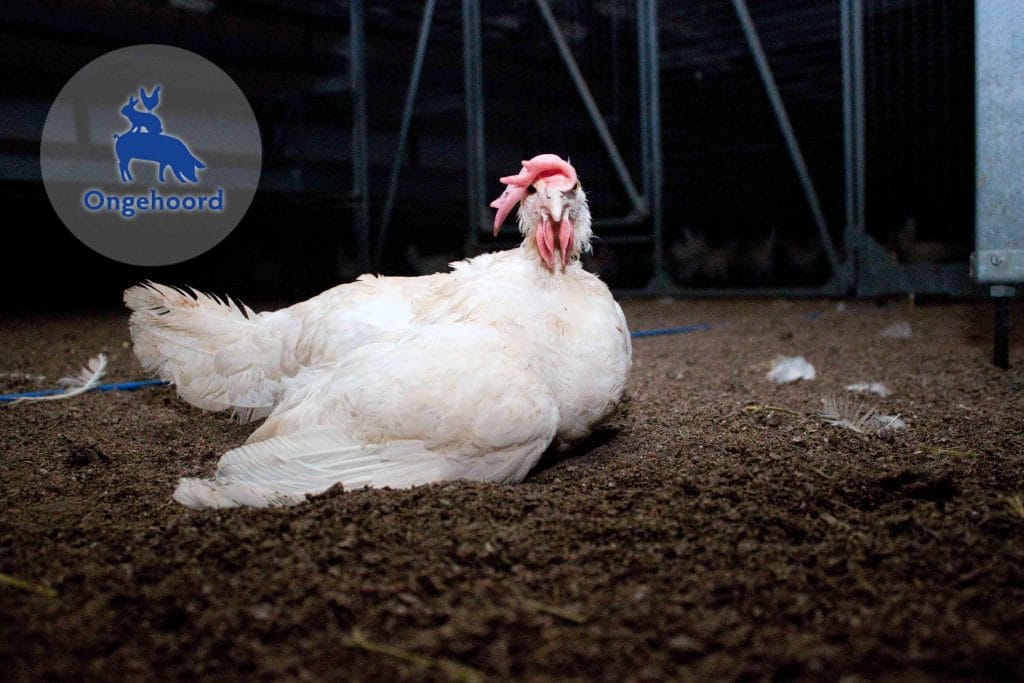
There are also barn systems that provide free-range access to the outdoors. Free-range systems are similar to barn systems but offer hens the option to go outside. Typically, the run is covered with a paved surface (see also "egg quality marks"). In the run, laying hens have 4 m² per hen and must have outdoor access for at least 8 hours each day, with some exceptions for extreme weather and mandatory confinement. Free-range barns can be categorized into conventional systems (known as "Freiland chickens") and organically raised laying hens. Free-range hens are seldom fully utilized, and not all chickens take advantage of the free-range area. Utilization is greatly influenced by the layout, shelter, and flock size. For instance, in large flocks (10,000 hens or more), only 3-15% of the hens use the free-range area. [63] Tests with tall elephant grass demonstrated that chickens made much better use of the free-range space because they had more shelter, which encouraged them to venture further from the barn. [64] For practical reasons (maintenance and clarity), free-range areas are minimally equipped.
Reverse side free range
Free-range chickens are more vulnerable to predators such as foxes, martens, hawks, and buzzards, with predation mortality estimated at around 4%. [65] Chickens are natural forest dwellers that seek refuge in dense bushes and are primarily alerted to danger by the dominant rooster. In a run, dense shrubs are either sparse or completely absent, which is inadequate for the large number of hens that roam there. An investigation of organically raised chickens revealed that in 80% of the runs examined, the amount of shelter constituted less than 25% of the total area. [66] Trees in free-range areas are also used by birds of prey as vantage points for attacking chickens. Most laying hen farms lack roosters. Even if roosters were present, their presence alone was insufficient to prevent chickens from being captured. While roosters did attempt to fend off birds of prey, they were often not positioned correctly, and there was typically only one rooster for every 30 hens. The welfare of the predators themselves is also compromised. Permits to shoot foxes near poultry farms are being issued more rapidly. [67] Although it is relatively easy to make free-range chickens “fox-proof,” birds of prey are protected and much harder to deter, as they approach from above. Experiments have been conducted using electric shock decoys and bait sprayed with a narcotic substance (lithium chloride) to create negative associations between birds of prey and chickens. Only the latter method appeared to be somewhat effective, but it is challenging to implement in practice. [68] The figure below illustrates the distribution of laying hens across various housing systems in the Netherlands for 2016. [69]
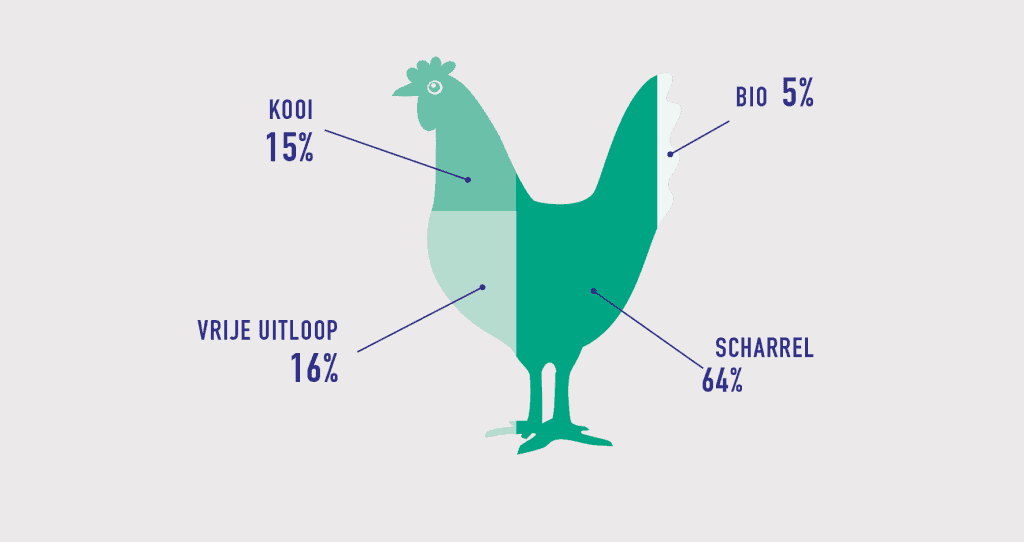
[Figure 4. Share of laying hens distributed over the different housing systems in 2016.]
Rondeel and Kipster
This section discusses two free-range systems in detail, both of which claim to provide the highest level of animal welfare and have garnered significant media attention. [70] These systems are the stables of Rondeel and Kipster. [71] The Rondeelstal is a circular barn designed based on research from the WUR, aiming to combine convenience for farmers, sustainability, and chicken welfare into a flexible barn layout. [72] The barn is divided into 6 separate sections, housing either 3,000 (small units) or 6,000 (large units) chickens, with a maximum capacity of 30,000 laying hens. The units are shaped like pie wedges, alternating between night quarters and day quarters. The night and day quarters are connected by retractable walls. The night quarters and nesting area feature a multi-level aviary system. The day quarters (free-range area) have a transparent roof for natural light and artificial grass flooring, along with boxes for dust baths and other amenities. The outer edge of the barn serves as the free-range area, also referred to as the forest edge. [73] This run is covered and fenced to keep birds of prey out.
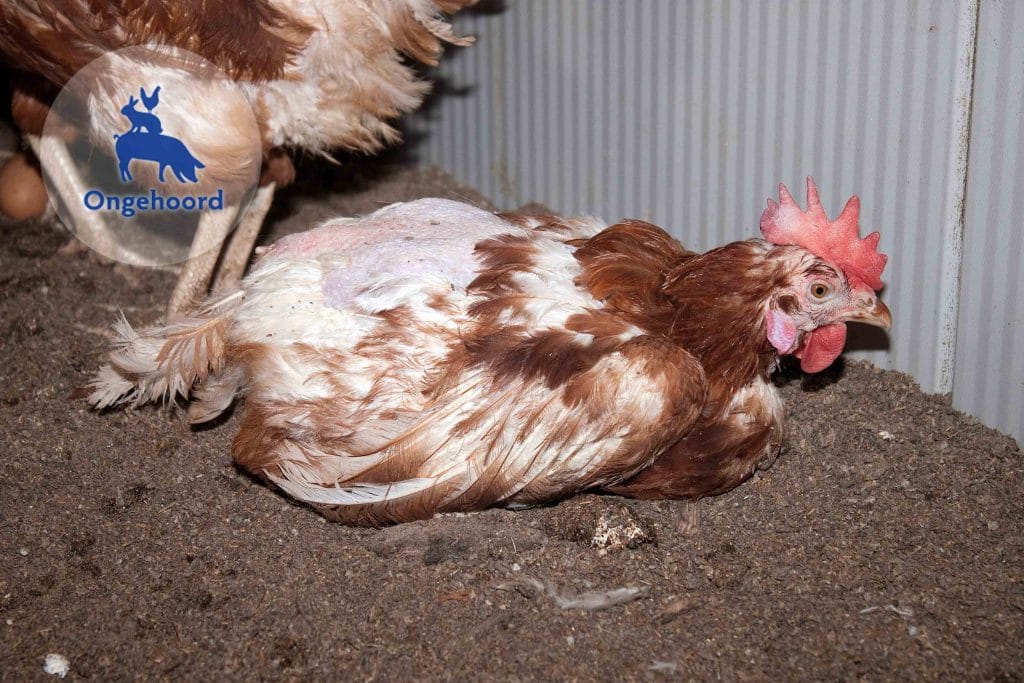
This system has received 3 stars from the Beter Leven quality mark awarded by the Dutch Society for the Protection of Animals (Dierenbescherming), similar to organically raised hens. However, the hens have significantly less space to roam compared to free-range or organically raised hens. While exact figures are not available, it is estimated that each hen has approximately 0.05 m² of space, compared to 4 m² for free-range or organic hens. According to the 3-star criteria set by the Dutch Society for the Protection of Animals (Dierenbescherming), a minimum of 216 m² of free-range space is required for a flock of up to 6,000 hens, which translates to a minimum of 0.035 m² per hen. [74] This is over 100 times smaller than the space provided in a free-range chicken run. Currently, there are three Rondeel barns in the Netherlands, along with two smaller versions (mini- and micro-barns located in Amsterdam and The Hague, respectively). Kipster, co-founded by the former director of Rondeel, closely resembles the Rondeel barn in design. Although not circular, it features night quarters with an aviary system and a central, light-filled courtyard (free-range area) covered with sand/litter and equipped with various amenities. The outdoor free-range area, also known as the forest edge, is relatively small and surrounded by windbreak mesh on all sides. The barn is designed for 24,000 laying hens, and there is currently only one barn in the Netherlands, which opened in 2017. Kipster stands out from other systems in one key aspect: male chicks are not killed immediately after hatching; instead, they are raised for 15-17 weeks before being processed into rooster burgers. However, these male chicks are currently moved to a rearing house with the lowest permitted living standards for chickens, meaning they do not receive "Beter Leven stars." According to Rondeel and Kipster, the use of free-range in conventional systems is very limited, suggesting that the free-range area could be much smaller. The Kipster website states: "By law, we need 10 hectares of land to label our eggs as free-range. According to scientific research and the Dutch Society for the Protection of Animals (Dierenbescherming), our chickens don’t require that much space at all." However, as previously mentioned, the minimal use of the outdoor range is due to the barn's layout, shelter, and the size of the hens, not because chickens need less space. After all, their natural habitat spans several tens of hectares. Furthermore, this overlooks the fundamental principles of the Rondeel stable design as outlined by the WUR: [72] Free-range access is essential due to market demand. However, according to the Wageningen University & Research (WUR), free-range access presents several (economic) challenges, including: - A diminishing price gap between eggs from free-range chickens and "standard" eggs. - Health risks for both humans and animals. Chickens are more susceptible to diseases outdoors due to their own manure and potential exposure to wild birds overhead (avian flu). They can also ingest harmful substances like dioxin. - Current systems lack transparency for farmers, particularly with outdoor ranges, making it challenging to monitor individual chickens effectively and increasing the risk of failing to identify victims of feather pecking or sick animals in a timely manner. Lastly, the WUR notes that while "what the chicken wants" is considered, it has not been proven that chickens necessarily need to forage outside and explore their environment; this could also be achieved indoors. These factors influenced the design of a small, covered run, similar to those used in the Rondeel and Kipster barns. While chicken welfare was an important consideration, compromises were made regarding economic and health factors, meaning animal welfare was not the top priority. During the assessment of the first laying cycle in a Rondeel barn, mortality rates were found to be lower than in other systems (including organic), but breastbone abnormalities were just as prevalent as in other systems, averaging 1.73 on a scale from 0 (good) to 2 (poor). Other findings, such as feather pecking, were less definitive due to the presence of both hens with intact and trimmed beaks in the barn. [75]
Organic better?
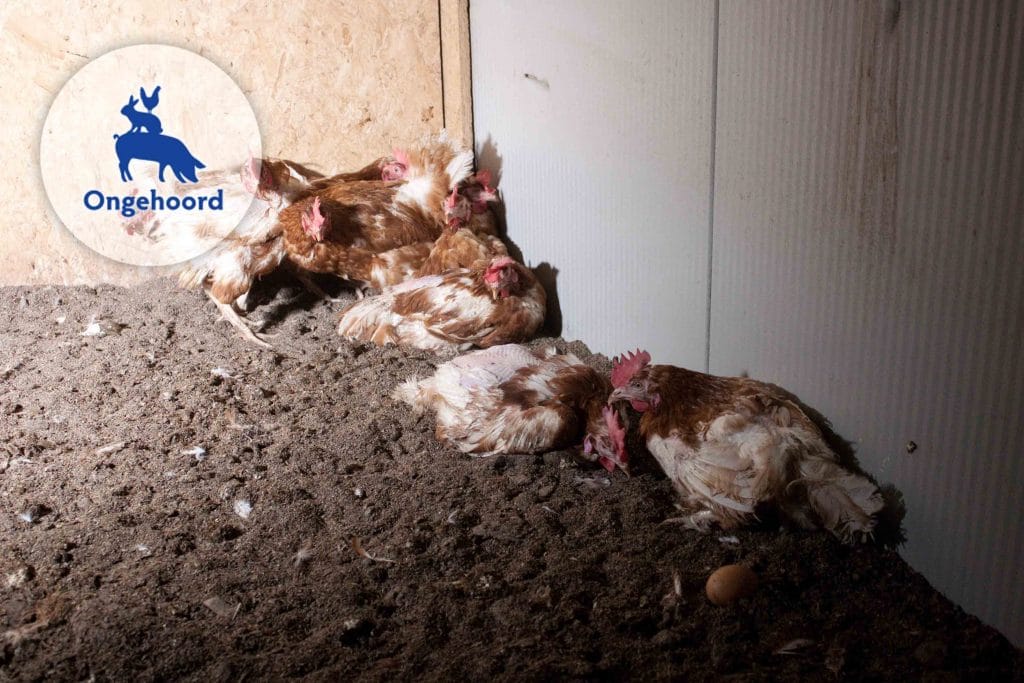
Organic laying hen farming appears more favorable in theory (more space, free range, no beak trimming), but the mortality rate is 10-15% higher than the previously mentioned 8%. [76] This is partly due to a rise in infectious diseases. Laying hens are kept in less controlled environments (variations in climate indoors and outdoors, increased exposure to potential pathogens and parasites in the soil, manure, and air, etc.), and feather pecking often worsens because their beaks are not trimmed. Consequently, organic chicken farming does not inherently guarantee better animal welfare. [77] Other studies also indicate that no housing system is perfect for the hen's well-being. [78] Organic eggs may display the following quality marks on the carton: Beter Leven 3 stars, EKO quality mark, or the European organic quality mark. To be classified as organic, chickens must also be fed organic feed in addition to fulfilling the welfare requirements.
Beter Leven
In addition to the systems mentioned, there is a wide variety of quality marks in circulation, which are explained in more detail below and summarized in Table 1. Several eggs from different housing systems receive 3 Beter Leven stars from the Dutch Society for the Protection of Animals (Dierenbescherming). This includes all organic eggs, as well as the Rondeel egg, the Kipster egg, the Gijs egg, the Vrolijke-Kip egg, and the Natural Beter Leven egg. The last five are non-organic, free-range eggs that meet the modified welfare requirements for 3 stars. However, Rondeel and Kipster eggs are assigned code 2 because the free-range area per chicken does not meet the requirements for code 1 according to European regulations. For products containing eggs, 95% of the animal ingredients must comply with the Beter Leven quality mark to qualify for that designation. Additionally, there are eggs labeled as whole-wheat, corn, sunflower, omega-3/Columbus, and four-grain, which indicate the type of feed the chickens receive. However, these labels do not provide any information about the living conditions of the chickens. It is also worth noting that the color of eggs does not reflect the chicken's lifestyle, but rather the chicken itself (specifically, which hybrid it is). Generally, brown chickens (with red earlobes) lay brown eggs, while white chickens (with white earlobes) lay white eggs, although this rule is not always consistent. Brown eggs tend to be slightly more expensive than white eggs because brown laying hens are typically larger and require more food. Table 1. Overview of the main methods of keeping laying hens and the various welfare labels.
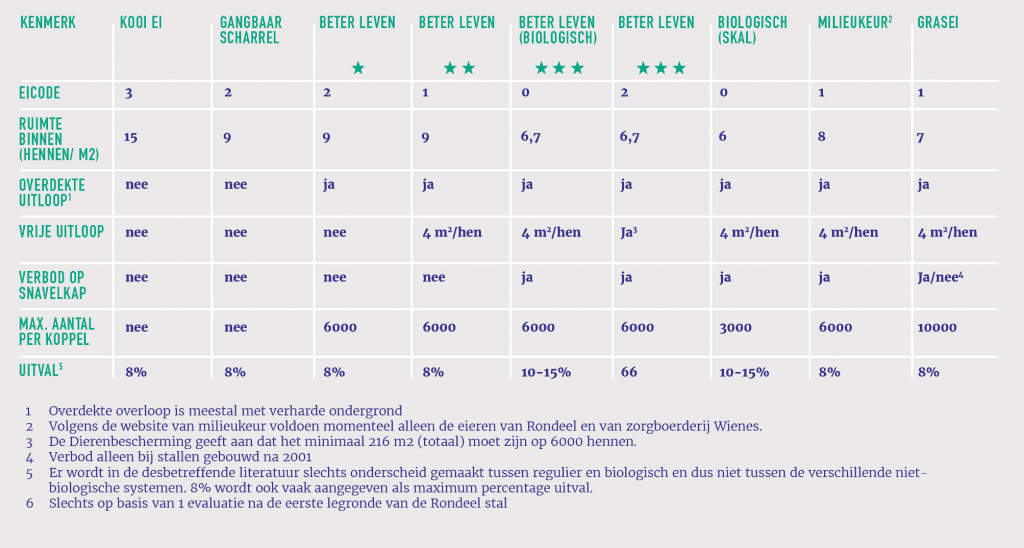
Figure 5 shows a schematic representation of how many eggs are “produced” per housing system
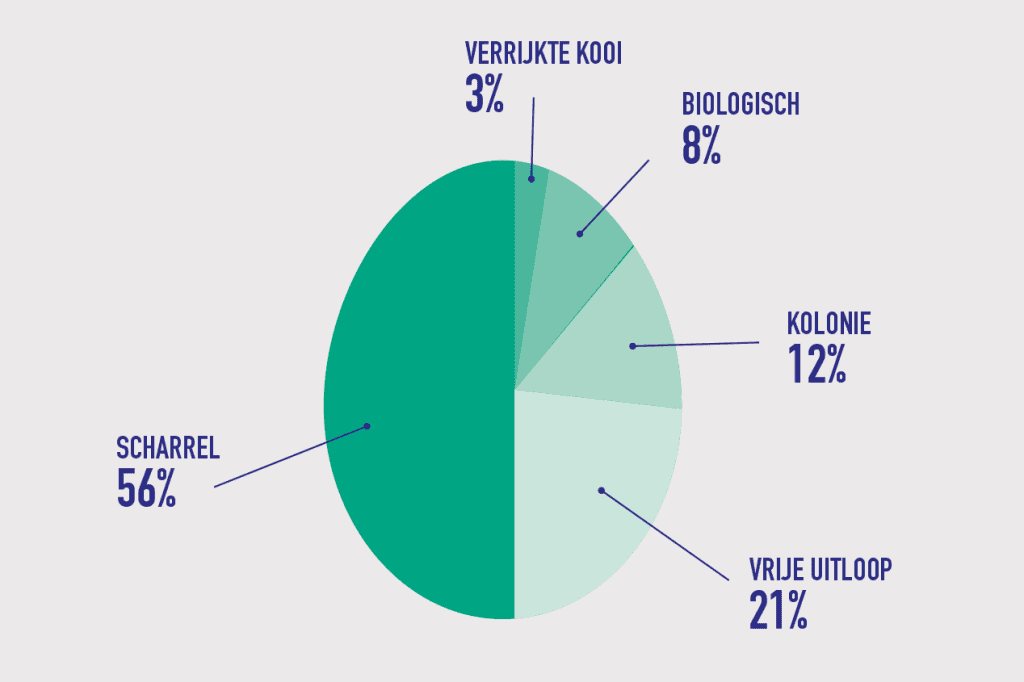
[Figure 5. Overview of egg production compared to different farming systems based on 2015 figures. [79]
Sources
- 55
High rate of sternum injuries in laying hens kept in aviaries. ILVO press release – Thursday, June 12, 2014
- 63
Van Niekerk, T.G.C.M. et al. (2016) Inventory of the effects of free-range poultry farming on soil, water, and air quality. Wageningen UR Livestock Research. Livestock Research Report 954
1
- 64
Egg-laying sector technical skills. (2014) Double the use of outdoor access. Poultry farming, 44th year, February 7
- 65
Bestman, M. et al. (2016) Losses of commercially kept chickens due to birds of prey. Louis Bolk Institute. Publication number 2016-005 LbD
- 66
Bestman, M. et al. (2009) Organic laying hens: healthy, healthier, healthiest. The relationship between farm factors and animal health. Louis Bolk Institute. Publication number LD 17
- 67
Letter from the State Secretary for Economic Affairs regarding the implementation of the Flora and Fauna Act (2014) Publication kst-29446-90
- 68
Bestman, M. et al. (2011) Keeping birds of prey out of chicken runs. Louis Bolk Institute. Publication number 2011-004 LbD
- 69
- 70
- 71
- 72
Wageningen UR project team. Keeping hens: Towards happy chickens, proud farmers, and satisfied citizens. Wageningen UR. ISBN 90-6754-791-3
- 73
- 74
- 75
Van Niekerk, T.G.C.M. et al. (2011) Het Rondeel, Behavior and Welfare Results of the First Laying Flock. Wageningen UR Livestock Research. Report 473. ISSN 1570-8616
- 76
Health of organic laying hens (2008). Animal Sciences Group. ISSN 1570-8632
- 77
Vaarts, M. et al. (2008) Animal health challenges and veterinary aspects of organic livestock farming identified through a 3 year EU network project. Open Veterinary Science Journal 2 (1); p. 111-116
- 78
van Overbeke, J. (2016) Influence of hybrid and walking systems on breastbone lesions, floor eggs, and egg quality in laying hens. Master's thesis, Ghent University, Faculty of Bioscience Engineering
- 79
Hilkens, W. et al. (2016) Opportunities for quality; money for your eggs. ABN AMRO Publication
What can you do?
Share this investigation with people around you.