Chapter 5 / 5
Animal Suffering is Part of the Dairy Industry
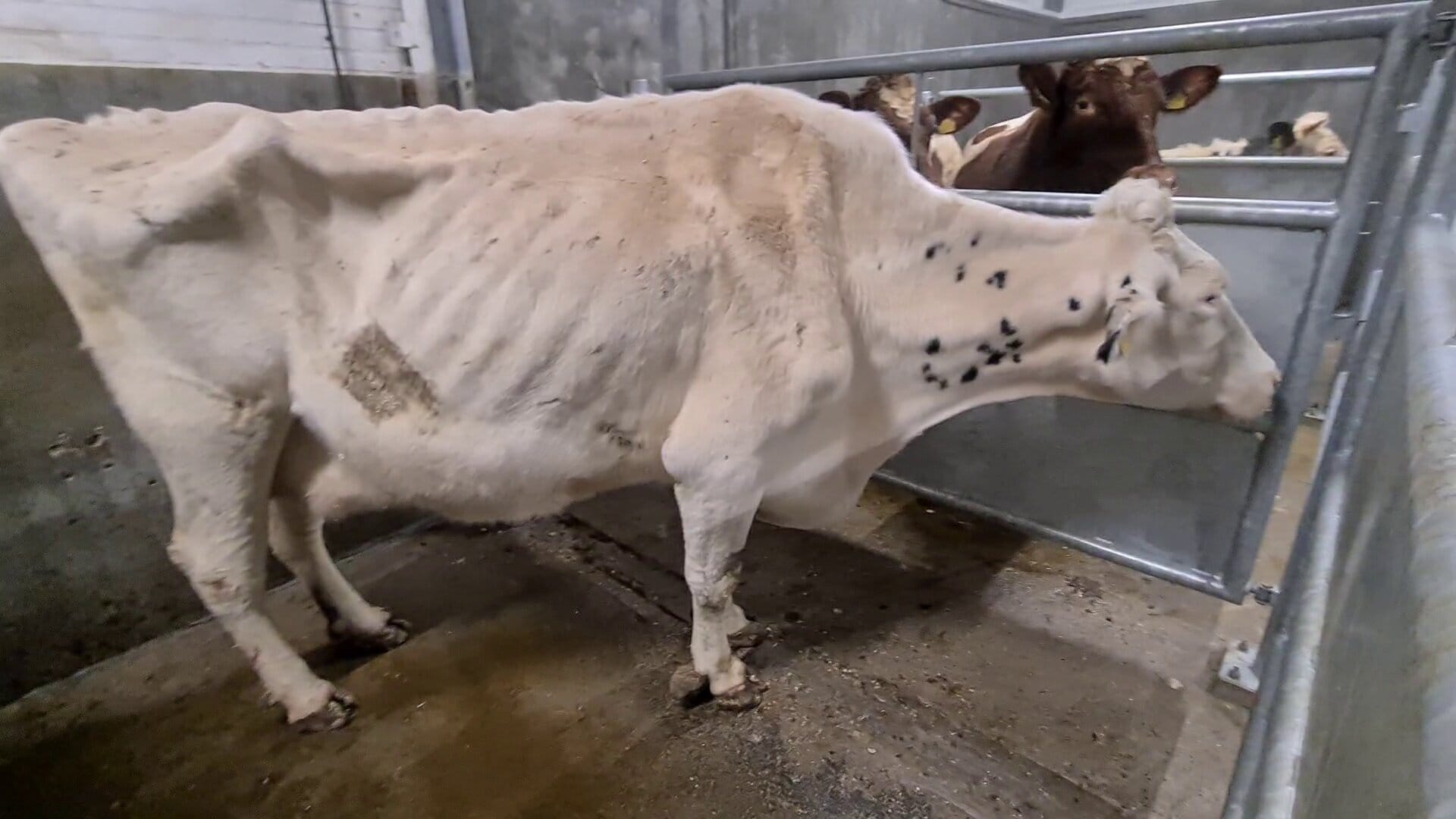
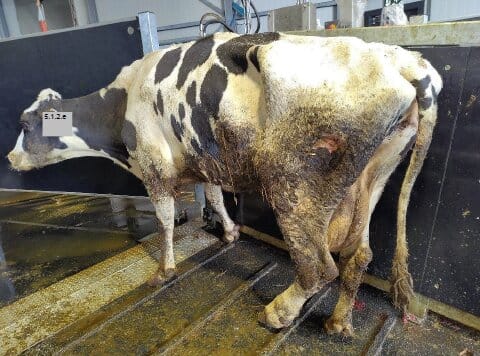
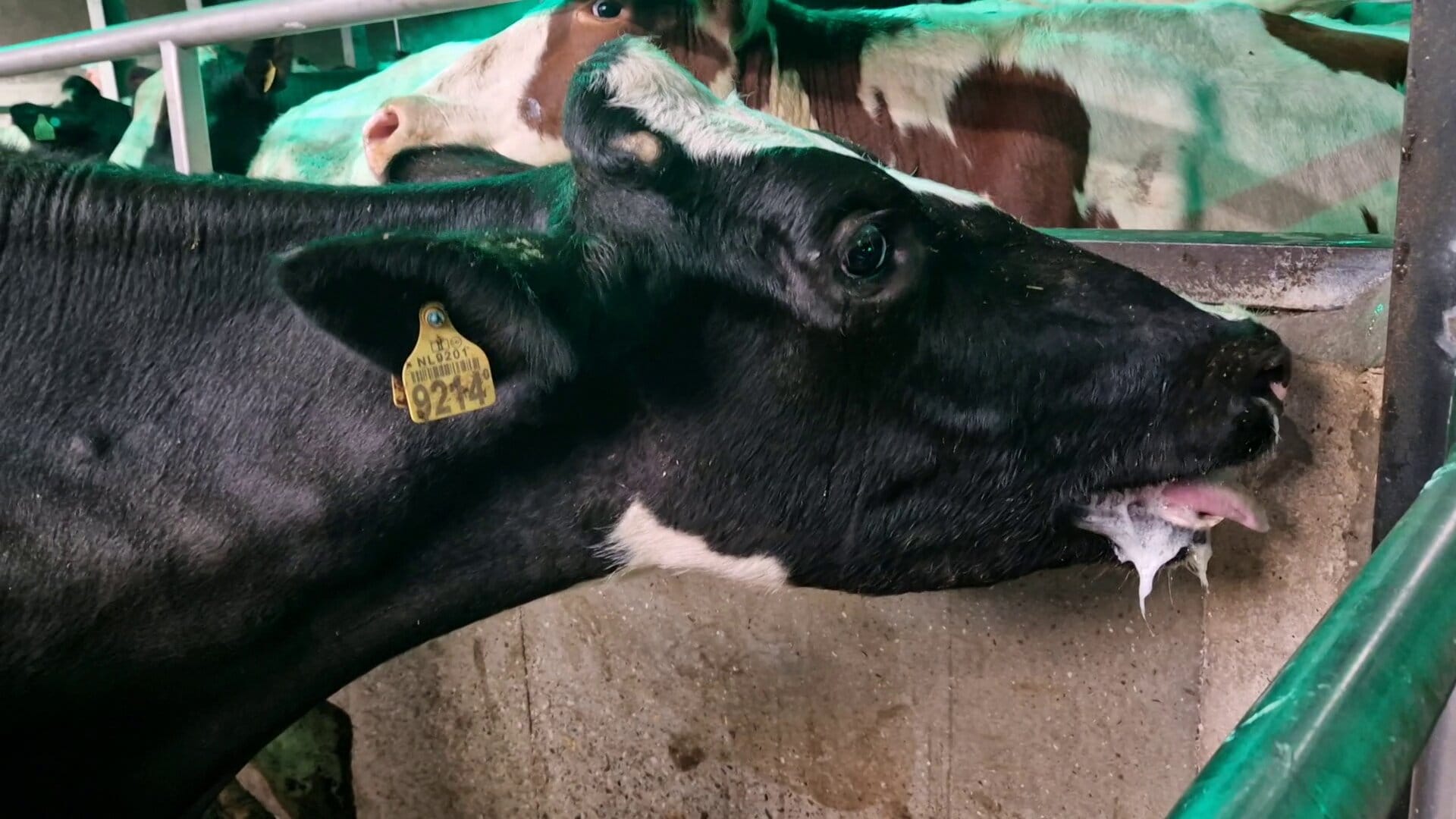
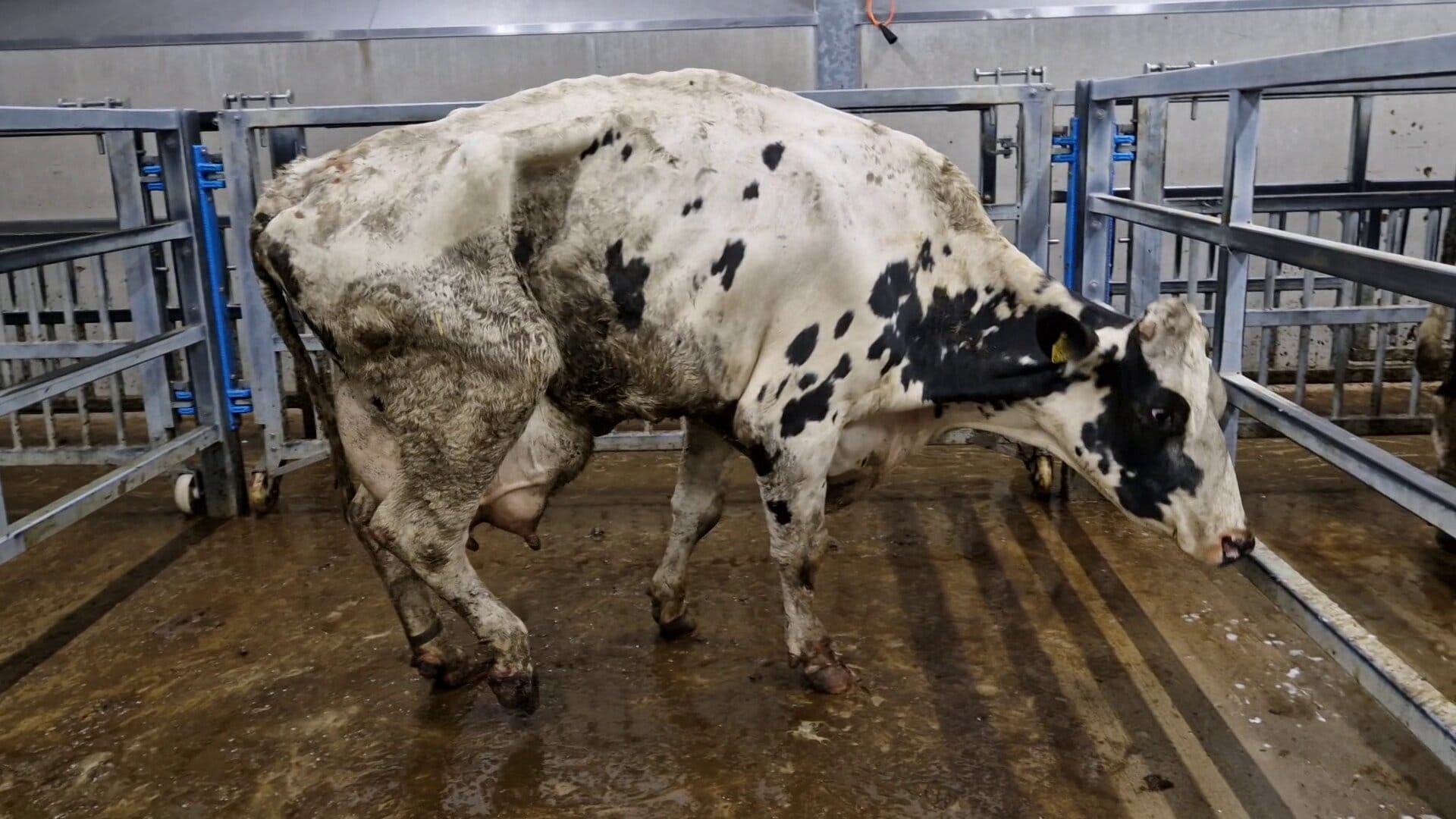
The inspection reports make it clear that fines have little effect and the NVWA only acts sparingly. Dairy farmers need to get rid of their cows when the animals develop health problems and their milk production declines. Treatment or euthanasia of sick and lame animals on the farm costs money. Moreover, dairy manufacturers penalize farmers with a lower price for the milk when mortality on their farm increases. If the cow still makes it to the slaughterhouse, it actually brings in money. It is therefore more attractive for dairy farmers to still transport sick cows to slaughter. [10]
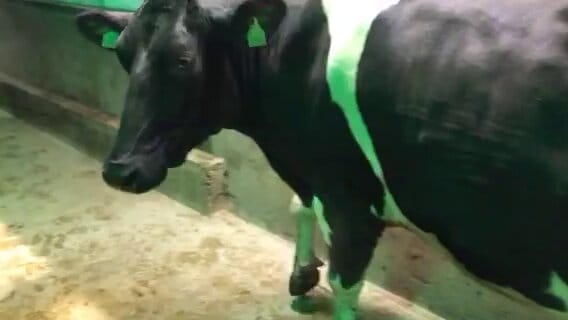
The conditions described in the inspection reports are typical production diseases of dairy farming. Cows have been selectively bred to give more and more milk, at the expense of their health. All energy goes to milk production, at the expense of other bodily functions for which a cow also needs energy. Lameness, mastitis (painful udder inflammation), and exhaustion are therefore common. [11] [12]
Annually, about 30% of the Dutch dairy herd is culled. Slightly more than 3% of the cows die or are euthanized on the farm itself; the majority of the spent dairy cows are transported to slaughter. [13] Because dairy cows are rarely in good condition at the end of their "career," transport of weak, lame, and sick animals is inevitable. Stricter supervision and higher fines change little about this — to structurally end this animal suffering, the sector as a whole would have to disappear.
Sources
- 10
- 11
- 12
- 13
What can you do?
Share this investigation with people around you.