Chapter 2 / 5
Lameness in Dairy Farming
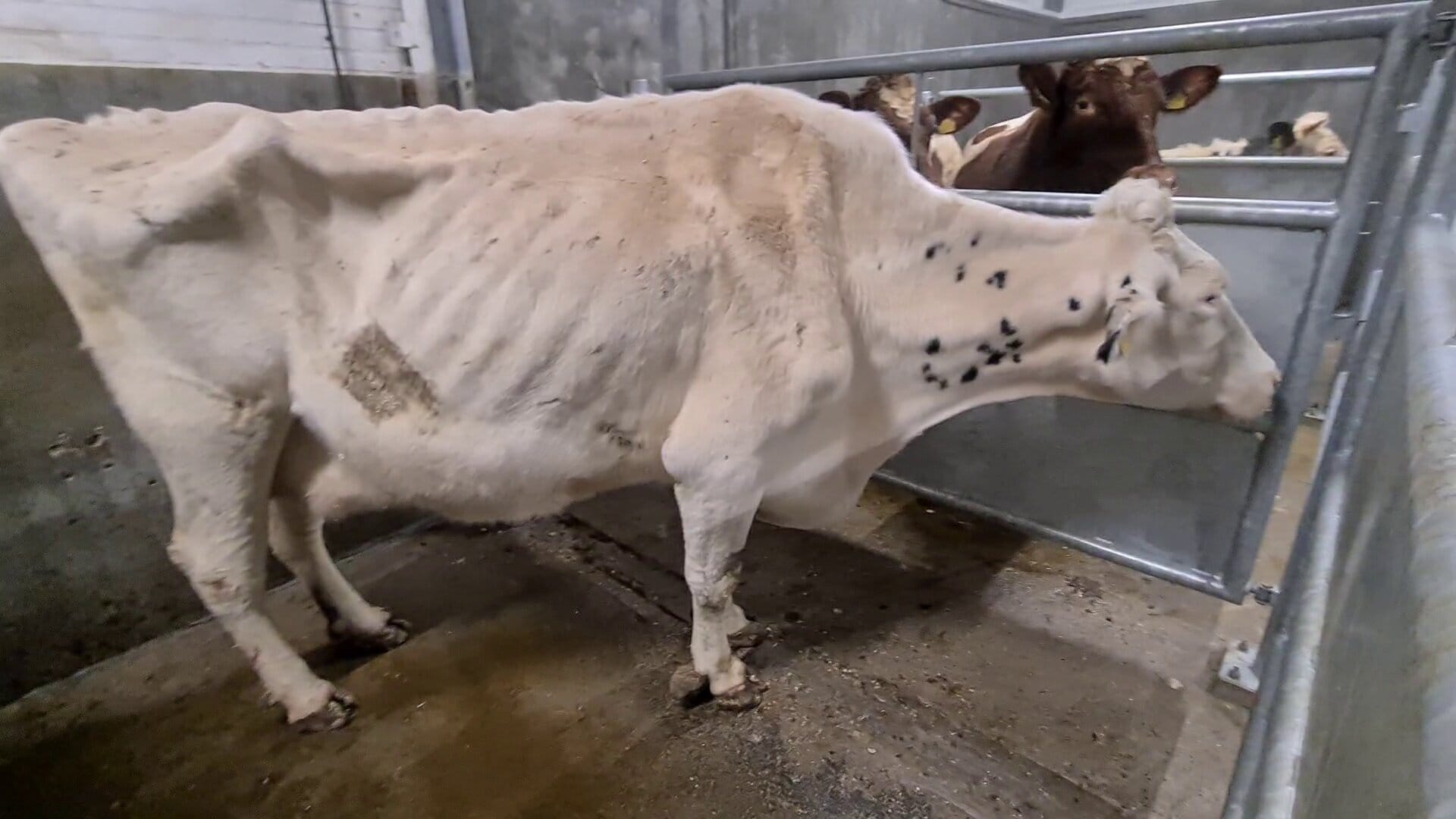
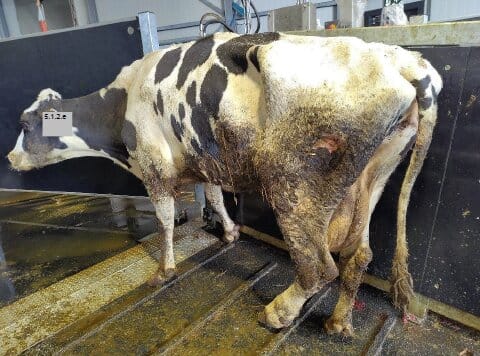
In the appendices to the reports, we found some "Collection States of Slaughter Animals" — lists on which the NVWA keeps track of inspection results per slaughterhouse. On those lists, there are many more cows with inflamed legs than the number of cows for which the NVWA issues fine reports.
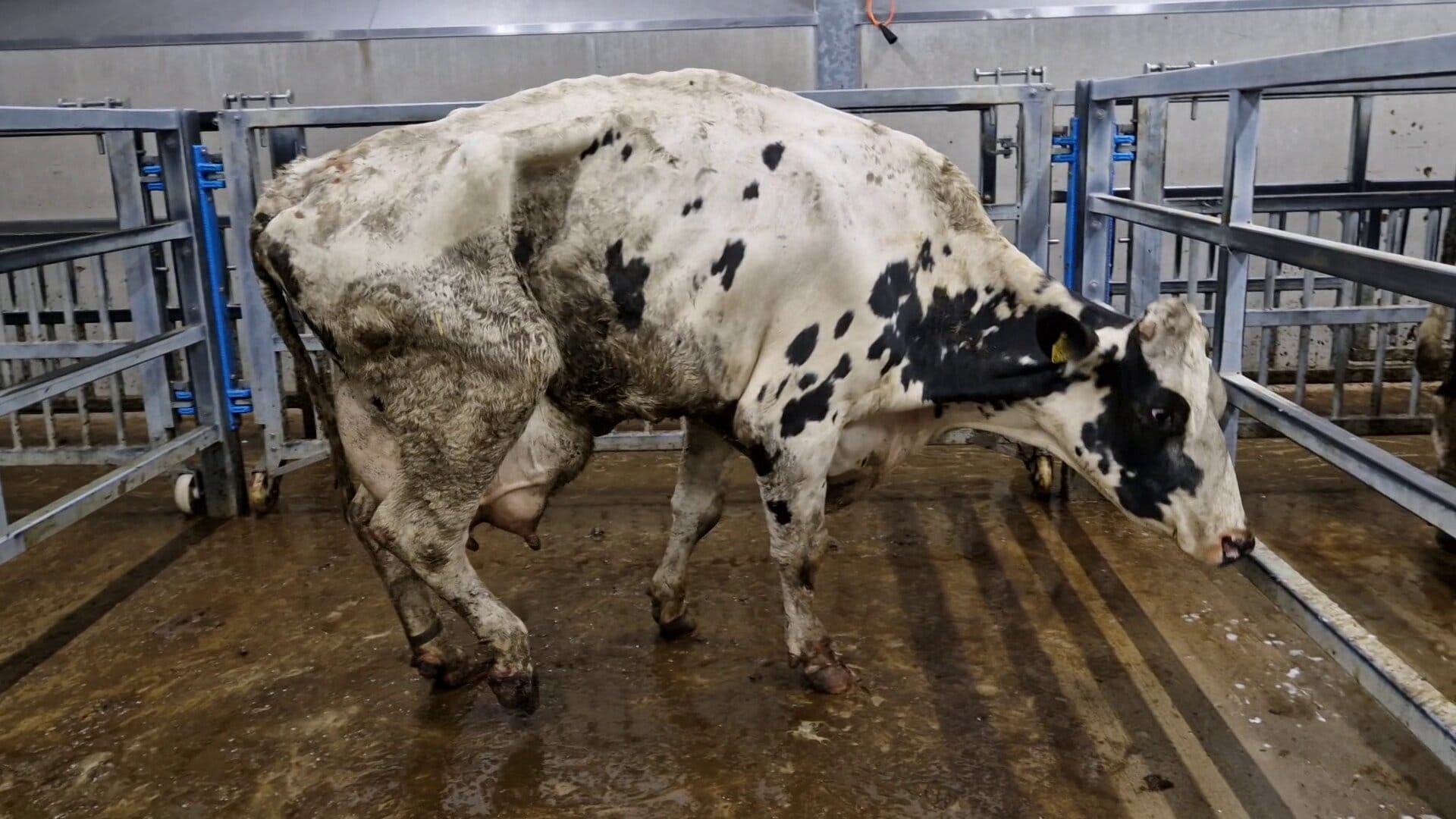
That is no surprise: research from Wageningen University shows that on average 28% of dairy cows are lame. [3] Lameness goes hand in hand with declining milk production, and is therefore one of the main reasons to send cows to slaughter. The Bureau for Risk Assessment & Research (BuRo), part of the NVWA, estimates that annually about 37,000 culled dairy cows are at high risk of (increased) lameness during transport. [4]
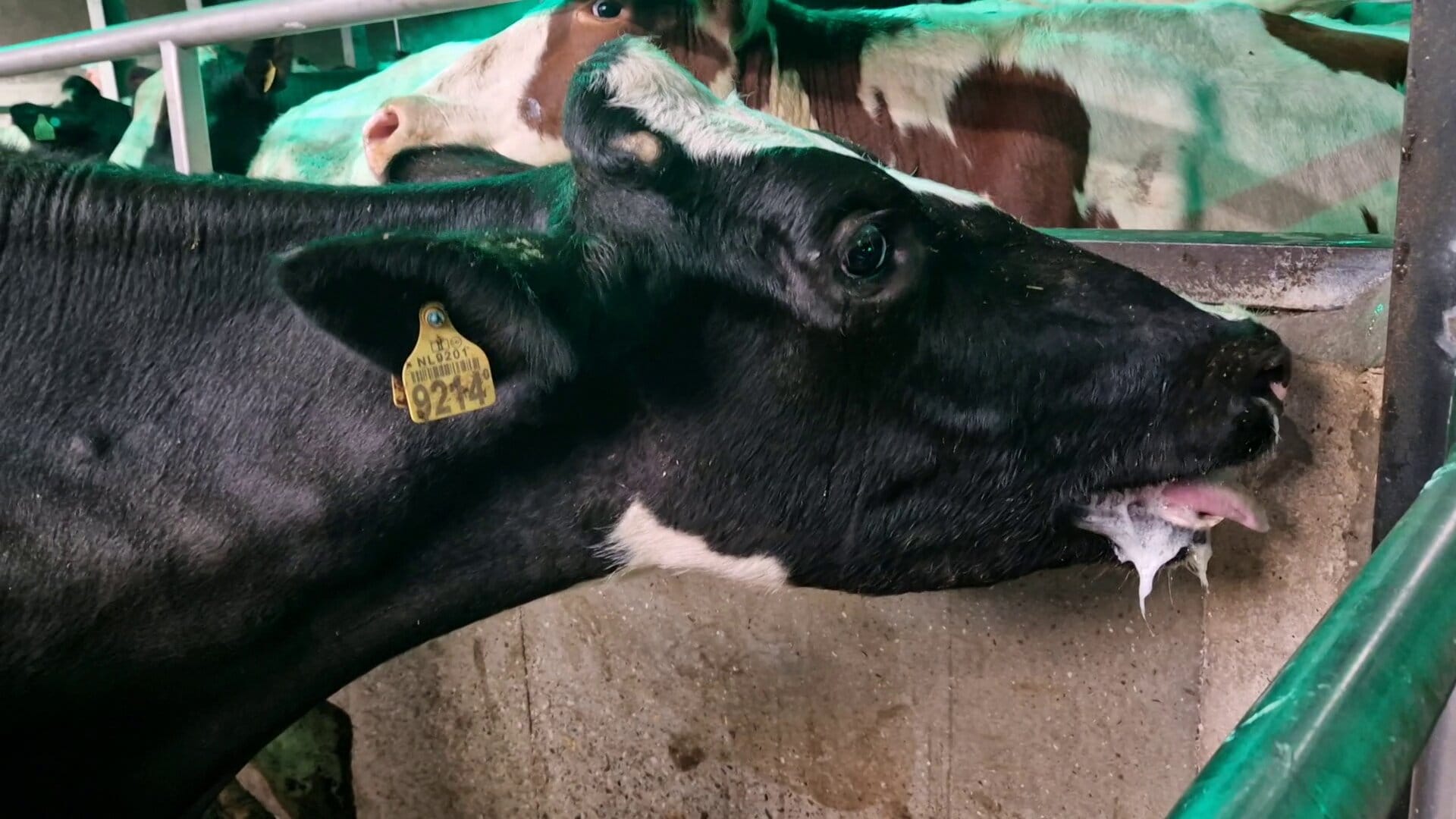
This is also confirmed by our research into collection points in 2025. [5] Investigation group Ongehoord filmed usually only a few days per location and in just 5 of the 50 collection barns in the Netherlands. Yet we regularly see in those images lame cows being violently loaded and unloaded from trucks. Over an entire year, spread across the Netherlands, you can indeed expect thousands of lame cows to arrive at the slaughterhouse.
Sources
- 3
- 4
- 5