
Chapter 2 / 4
Sjroete Farm
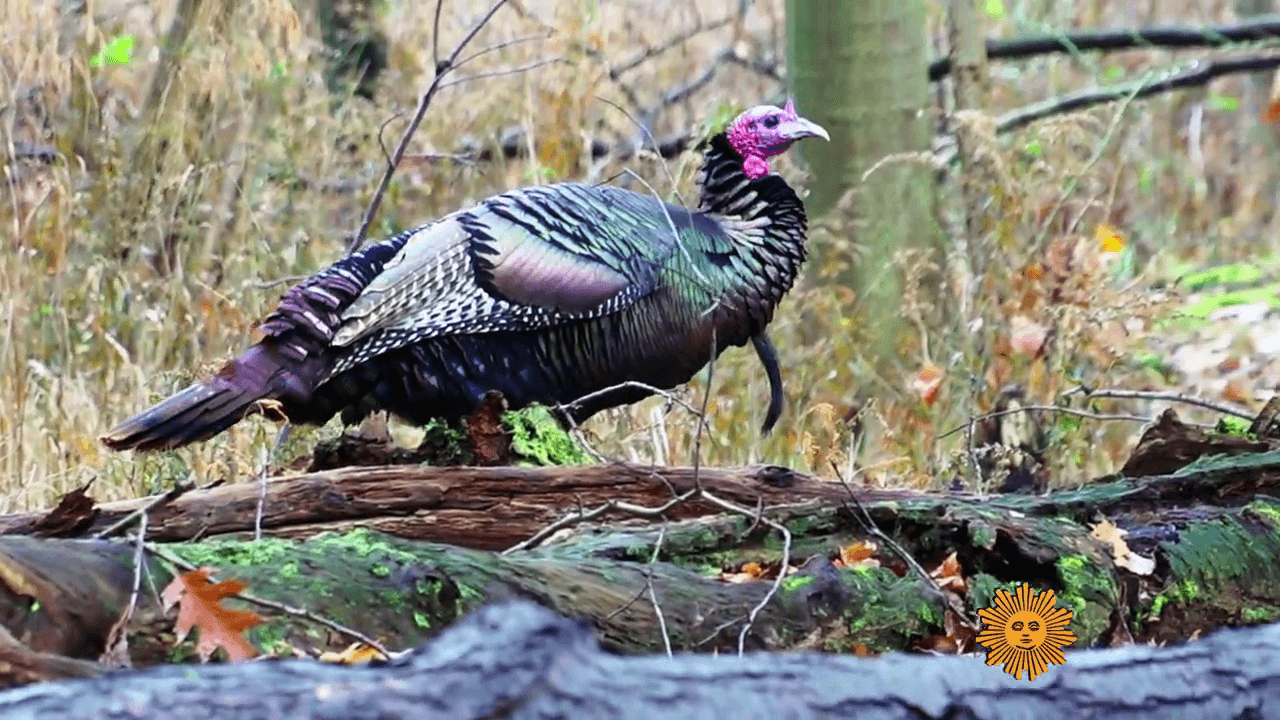
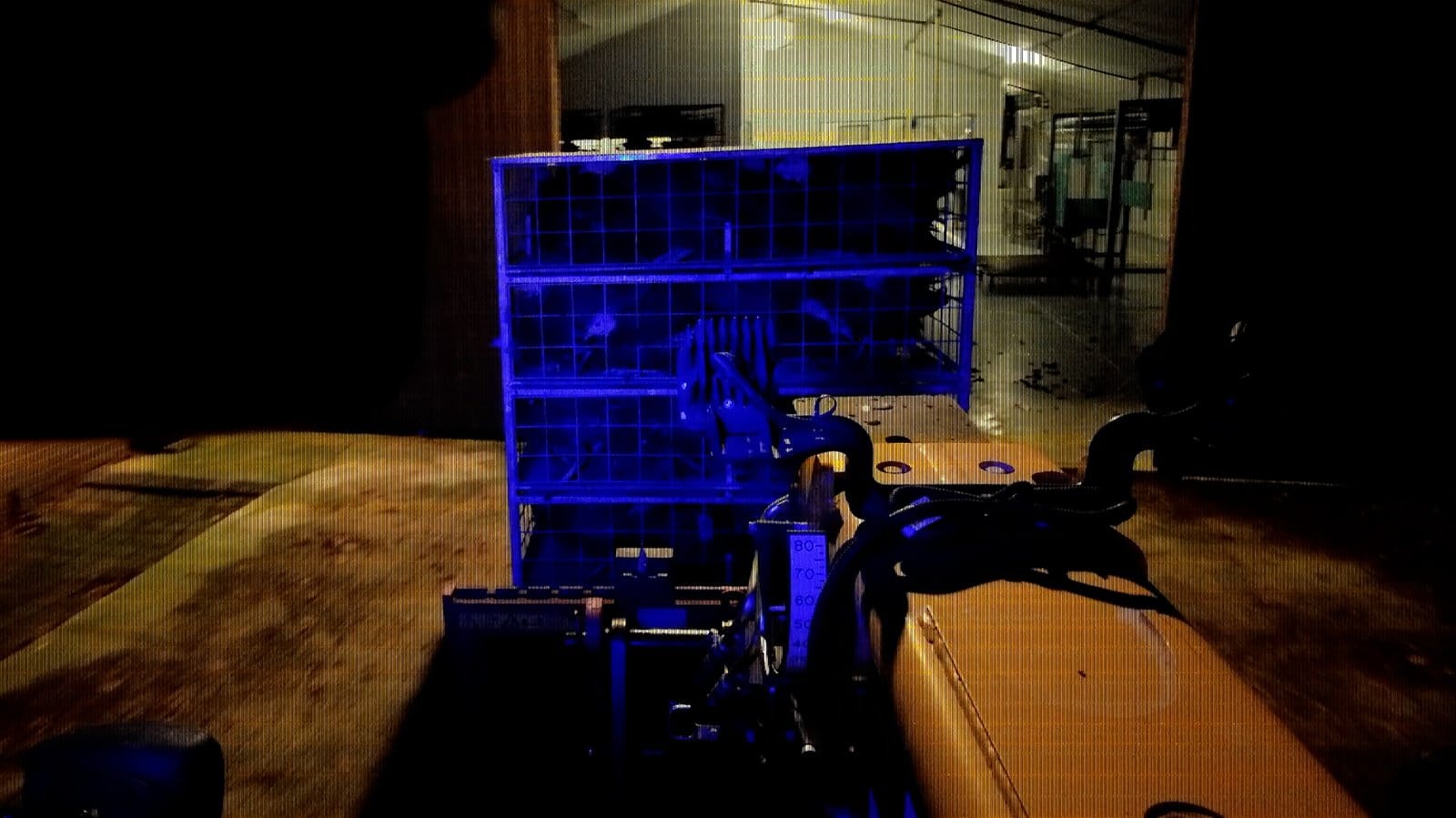
In Helden, Limburg, Ruud and Sabrina Bos breed turkeys for meat production, offering "Burgundian pasture-raised turkey meat." They present themselves to consumers as artisanal farmers with an "inexhaustible love" for their animals. Their website and social media showcase a compassionate image of their ‘Sjroete Farm’. [6] For the sake of animal welfare, Ruud and Sabrina intentionally selected "Caringa Cartier" turkeys, a "slow-growing" breed with "chic black feathers." The turkeys are allowed to roam freely in a "herb meadow" that "perfectly mimics" their natural habitat. The slaughter of the animals occurs on the farm and is conducted in an "animal-friendly" manner, "with respect for the animal."
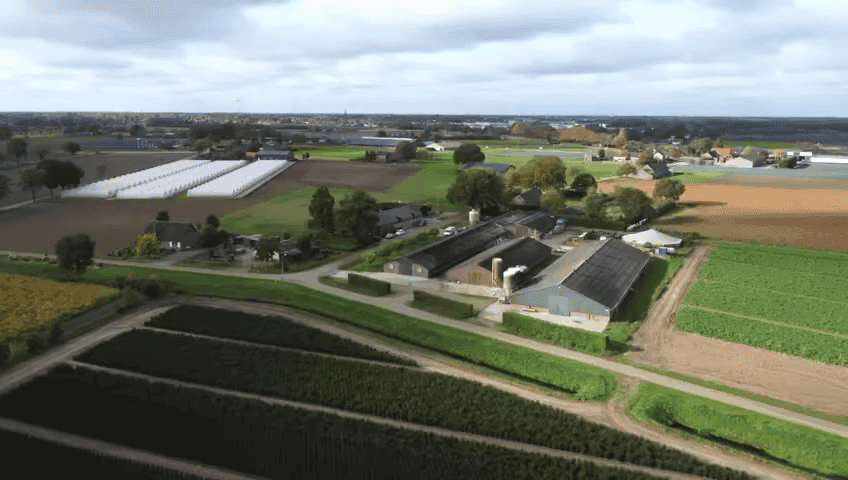
Company permit documents offer a clearer insight into turkey breeding and slaughter practices at Sjroete Farm. [7] The company operates three connected barns, housing over 9,000 turkeys in total. However, only one barn features an outdoor run. This outdoor area consists of bare grassland, which does not meet the animals' natural requirements. Turkeys, similar to chickens, are forest-dwelling and prey animals, and they only feel secure when there are enough trees and shrubs in their run. [8]
Every four weeks, Sjroete Farm buys new day-old chicks from a hatchery. The chicks are raised without their mothers. After four to six weeks in the enclosed chicken house, they are transferred to the middle house. This house also lacks outdoor access. Young turkeys grow up there until they reach 10-11 weeks old. Only then are they moved to a third house that provides outdoor access. The animals remain in this stable until they are slaughtered. [9]
Although the term "slow-growing breed" suggests that consumers can expect turkeys to live longer, there is actually little difference in the age at which they are slaughtered compared to fast-growing breeds. The well-known white 'broiler turkeys' are typically slaughtered at 16 to 20 weeks of age. [10] The Caringa Cartier turkeys at Sjroete Farm are usually slaughtered between 18 to 24 weeks of age. [11] Additionally, all turkey breeds raised for meat face welfare issues. Selective breeding has resulted in these animals being significantly heavier than their natural counterparts, which negatively impacts their welfare and health. The Caringa Cartier breed is known to be susceptible to leg problems and lameness, according to a recent study from Wageningen University and Research. [12]
Sources
- 6
- 7
Permit file De Sjroete Farm - Business Operations p.6
- 8
- 9
Permit file De Sjroete Farm - Business Operations p.6
- 10
- 11
- 12