Chapter 4 / 5
Ill and injured pigs
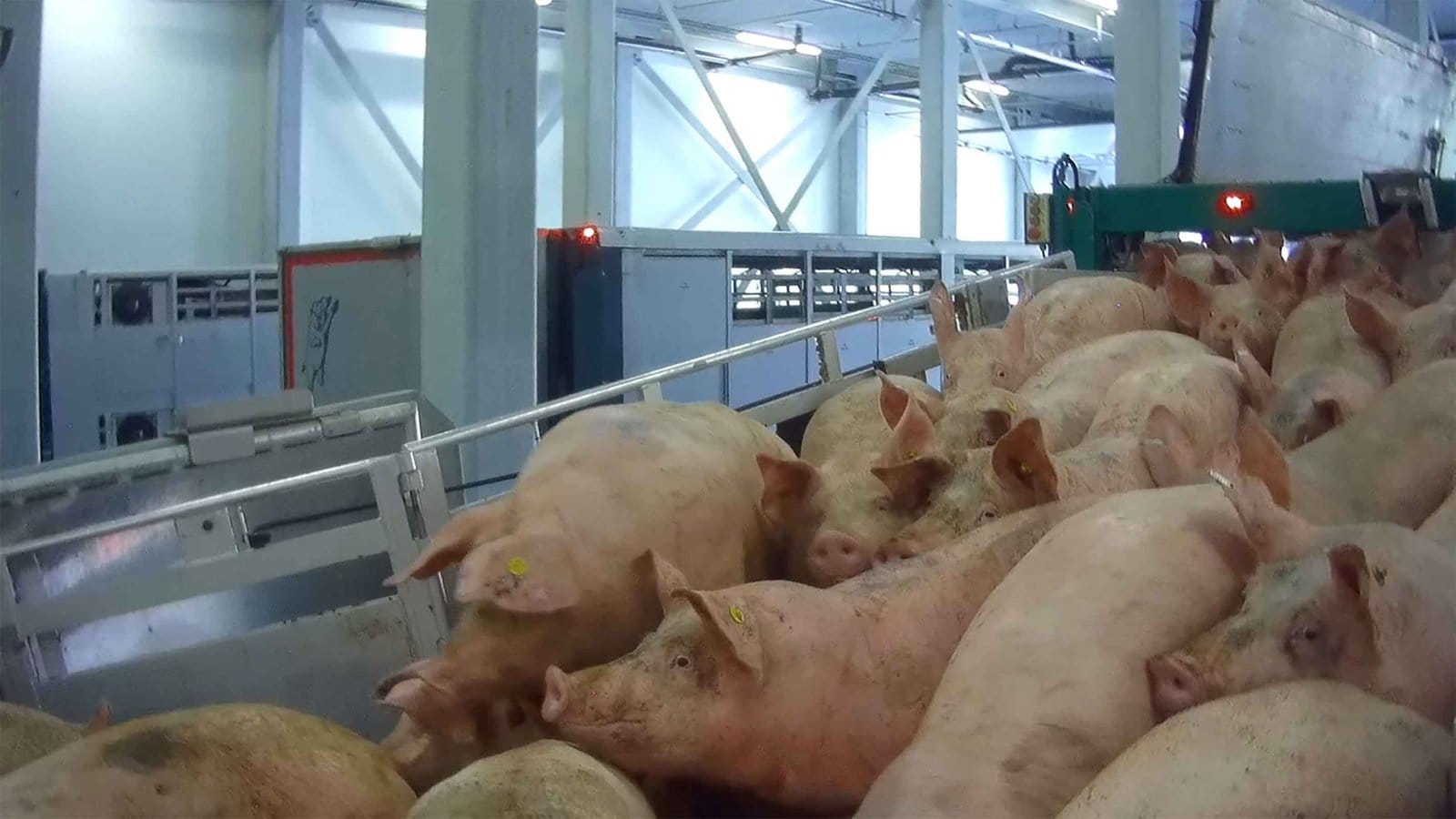
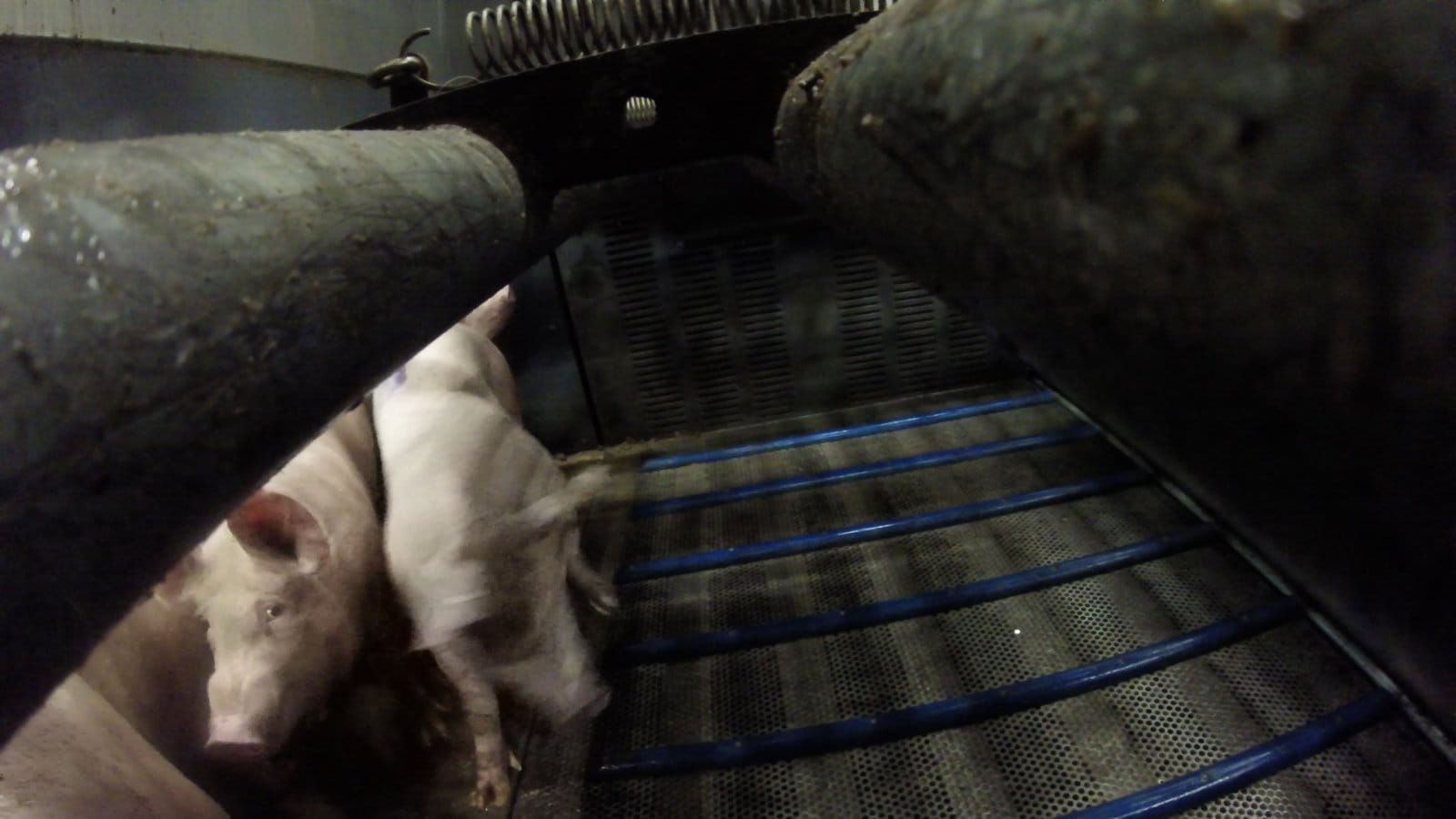
European regulations (REGULATION (EC) No 1/2005) prohibit the transport of 'animals that are unable to move painlessly on their own or walk without assistance, as well as animals exhibiting serious open wounds or prolapses.' [31] For welfare reasons, severely lame, sick, or injured animals must be treated or euthanized on farms, as transporting them to a slaughterhouse would cause additional suffering. Lameness is a common issue in pig farming. Among all dead finishing pigs submitted for examination to the GD (Animal Health Service), about 10% exhibit movement problems. Common causes of lameness include joint inflammation and meningitis, often resulting from streptococcal infections. These pathogens can lead to joint inflammation, sometimes affecting multiple joints simultaneously. Osteochondrosis, a joint disease that occurs when bone formation from cartilage is disrupted during growth, is also increasingly diagnosed in pigs raised for meat. [32] Osteochondrosis primarily affects fast-growing meat-rich breeds: the cartilage literally cannot keep pace with the pig's growth, leading to defects in the joints. [33] Movement disorders can be painful, causing the animal to walk abnormally or even become unable to stand. [34] Tail-biting wounds are a frequent behavioral issue in finishing pigs due to stress on pig farms. These wounds can become severely infected, resulting in necrosis (tissue death). Tail-bite wounds may be accompanied by abscesses that spread along the spine and into the spinal column, which only become visible after slaughter. [35] WUR estimates that tail-biting wounds occur in an average of 2.12% of weaned piglets and finishing pigs. However, there is significant variation between farms regarding the percentage of tail wounds. Research indicates that about half of pig farmers report having no pigs with tail-biting wounds on their farm. This suggests that on farms experiencing tail-biting issues, the average percentage is around 4.25%, with some farms reporting that over 20% of their animals have tail-biting wounds. [36] Prolapses are organs that protrude from the body, including the intestines, bladder, vagina, and uterus. These protruding organs can easily sustain damage, causing pain and heavy bleeding. [37] Rectal prolapse is most common in growing piglets and finishing pigs. The literature notes variations in occurrence ranging from 0.7% to 15% per herd. It involves intestinal prolapse, which can be caused by inadequate feed and drinking water, poor housing and barn climate, or pathological factors such as coughing, intestinal infections from bacteria, viruses, and worms, or inflammation of the bladder, ureters, and vagina. Rectal prolapse can also be linked to hereditary susceptibility, low birth weight, and tail docking. Vaginal, bladder, and uterine prolapses are more common in sows (0.5 to 1%) and are often related to reproductive factors such as extra abdominal contents in pregnant sows, excessive straining due to overweight piglets or incorrect positioning of piglets, or irritation and inflammation of the vagina following unskilled birthing assistance or as a result of insemination. [38] Umbilical hernias are protrusions of the intestine or peritoneal fold at the navel. They can be so large that they drag along the ground, leading to inflammation of the skin tissue and making it difficult for the animal to move painlessly. The contents of an umbilical hernia may include intestines and abdominal contents, or it can also be an abscess filled with pus. [39] Inguinal and umbilical hernias occur at an average rate of 1.7% to 6.7% in pigs. Due to the genetic component of this condition, the rate can exceed 10% in the offspring of certain boars and sows. [40] According to the most recent quarterly report (first quarter 2019) from Vion (the largest pig slaughterhouse in the Netherlands), 0.72% of the animals delivered received a comment during inspection upon arrival at the slaughterhouse, which amounts to 13,335 animals out of a total of 1,852,078 pigs per quarter. 20% of the comments concerned pigs with leg problems (2,667 animals). [41] Other slaughterhouses do not publicly share inspection results. Recent data from Belgian and German authorities revealed that seriously ill animals are exported to slaughterhouses in Belgium and Germany dozens of times a year. NVWA employees responsible for supervision admit that the checks are minimal in terms of export interests. [42] The undercover investigation reveals that sick pigs are also delivered to Westfort. The footage shows pigs with infected tail bite wounds, severely lame animals, large abscesses, infected vaccination bumps, and open skin wounds. Large umbilical hernias and ruptured umbilical hernias, with protruding intestines, were also captured on film. These conditions could not have developed during transport, indicating they have been present on the farm for some time (given the advanced stage of the conditions). Upon arrival, pigs with health issues are separated from the others and placed in a "risk pen." This pen is located next to the unloading docks, where there is considerable noise and movement. The high-risk pen houses animals from different transports. New animals are repeatedly introduced throughout the day, causing unrest. We observe pigs fighting for extended periods and a sow becoming stressed when harassed by a boar. The animals are forced to remain in the high-risk pen for hours. They are slaughtered at the end of the workday (after the healthy pigs) to prevent pus or intestinal contents from umbilical hernias from contaminating the slaughter line. When it is time to slaughter, the group is separated: pigs with abscesses and umbilical hernias are processed first, while animals with tail bite wounds are processed last (due to the highest risk of contaminating the slaughter line). Separating the animals involves a significant amount of beating.
Sources
- 31
REGULATION (EC) No 1/2005 on the protection of animals during transport; Annex I, Chapter 1.
- 32
T. Geudeke. Lame pigs: infection or something else? Pigs 2016 edepot.wur.nl/402860
- 33
Osteochondrosis deserves attention. Pig Business 2016. edepot.wur.nl/370234
- 34
Practical guidelines for determining the suitability of pigs for transport; p15.
- 35
Practical guidelines for determining the suitability for transport of pigs; p27.
- 36
J.J. Zonderland et al. (2011). Financial consequences of tail biting in pigs. Wageningen UR Livestock Research. Report 543. ISSN 1570-8616; p14.
- 37
Practical guidelines for determining the suitability for transport of pigs; p17
- 38
F. Bouwkamp. Prolapses: bulges in the rectum, vagina, uterus, or bladder.
- 39
Practical guidelines for determining the suitability for transport of pigs; p25.
- 40
A. Stinckens (2011). Congenital genetic abnormalities in piglets. KU Leuven.
- 41
Vion inspection results, first quarter 2019.
- 42
RTL 2019, NVWA veterinarians allow the export of seriously ill animals to slaughterhouses in Belgium and Germany. rtlnieuws.nl/nieuws/artik...-ernstig-zieke-dieren-toe