Structural violence against animals
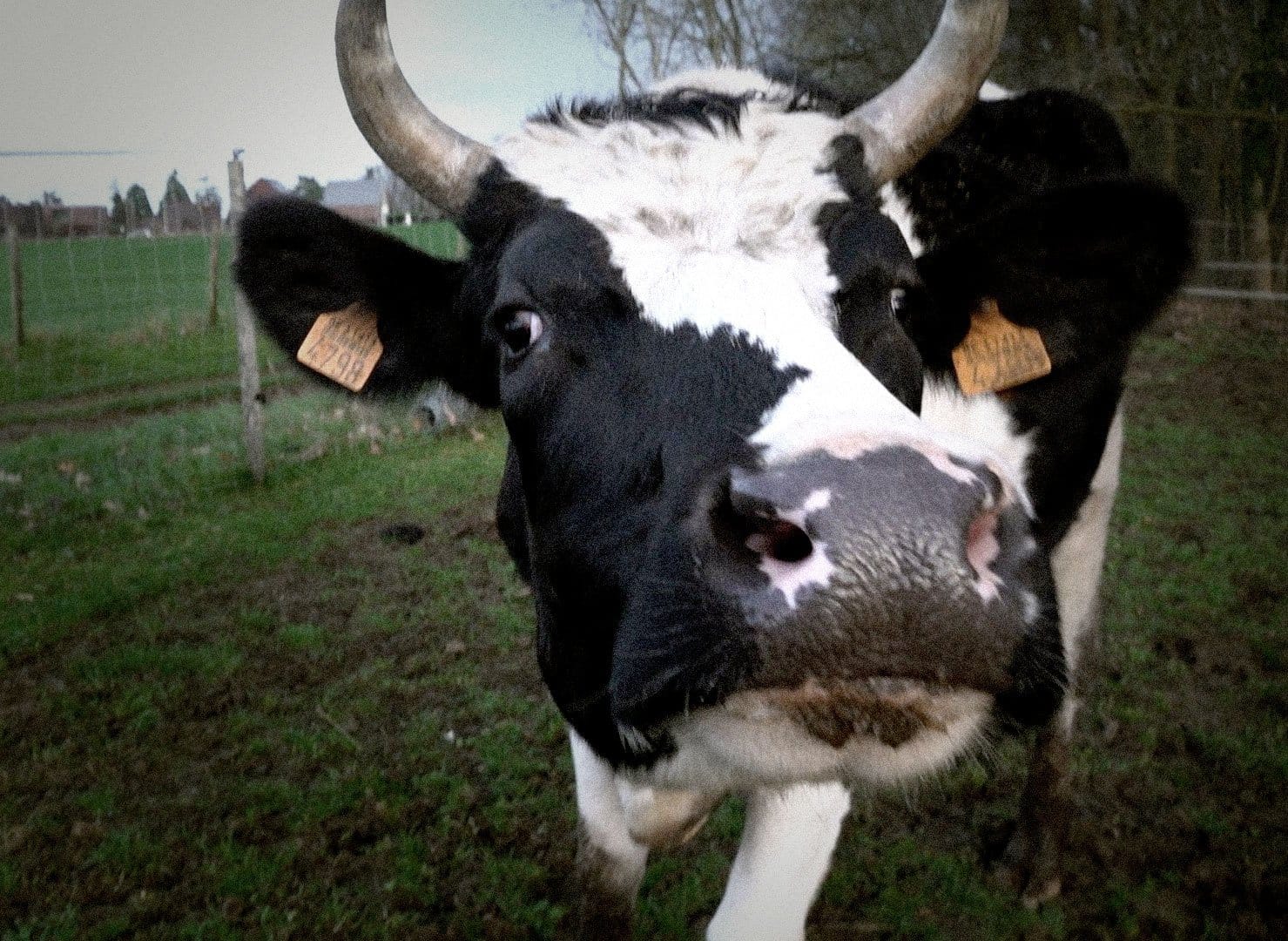
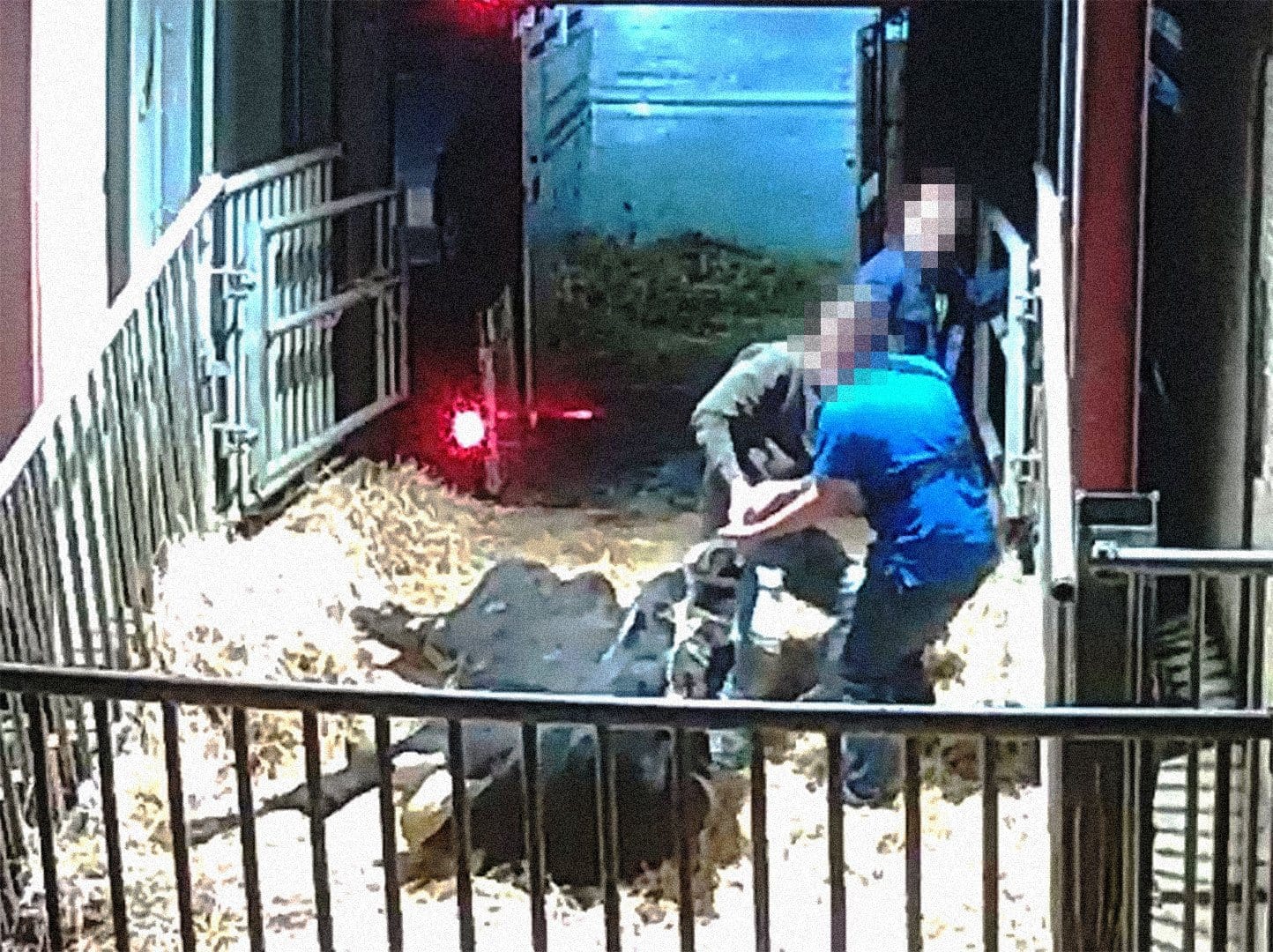
Ongehoord is publishing the second part of its investigation into animal transport. At the end of 2022, the investigation group released footage showing pigs being forcibly herded into trucks. New footage captures the loading and unloading of calves and cows at export collection points. At these facilities, the industry gathers animals for further transport to fattening farms or slaughterhouses. Ongehoord filmed mother cows that could no longer walk, were sick, lame, or terrified. Calves, barely two weeks old, also face harsh treatment. They are beaten, kicked, and herded with sticks and tasers.
Requested inspection documents also reveal that supervisors in Belgium and the Netherlands issued numerous export certificates for sick, injured, lame, or heavily pregnant cattle. These animals were not allowed to be transported under European animal welfare regulations. Due to the live animal trade between the Netherlands and Belgium, research was conducted in both countries. The images demonstrate that violence against farm animals knows no limits. Cows that are over-milked and struggle to move due to weakness or illness are particularly subjected to the harsh realities of the situation. The new abuses related to transport are not surprising. In 2020, we published images of the Westfort slaughterhouse. There, pig trucks were being forced out of the slaughterhouse with clapper guns. When workers do not have a flotation device available, they resort to using their hands and feet to hit or kick the animals. We observed sick or injured animals arriving at the slaughterhouse every day. [1]
In 2021, we provided requested inspection documents showing that Dutch supervisors approved the export of sick and injured animals. [2]At the end of 2022, we released images of pigs being forced into trucks using electric shocks and driving signs. [3] The latest research indicates that the dragging of sick animals and the violence during loading and unloading persist without interruption. Read the following articles to understand why animal transport is inherently cruel to animals.
4 locations
Sources
- 1
- 2
- 3
- 4
- 5
- 6
- 7
- 8
- 9
- 10
- 11
- 12
- 13
- 14
- 15
- 16
- 17
- 18
- 19
- 20
- 21
- 22
- 23
- 24
- 25
- 26
- 27
- 28
- 29
- 30
- 31
- 32
- 33
- 34
- 35
- 36
- 37
- 38
- 39
- 40
- 41
- 42
- 43
- 44
- 45
- 46
- 47
- 48
- 49
- 50
- 51
- 52
BuRO advice on the transportability of milked dairy cows (2022) - p. 44, Table 12 (indicative numbers and percentage of culled, milked dairy cows, 2017-2020)
- 53
- 54
- 55
- 56
- 57
- 58
- 59
- 60
- 61
- 62
- 63
- 64
- 65
- 66