Chapter 3 / 5
An unhealthy industry
Well-being, disease and mortality
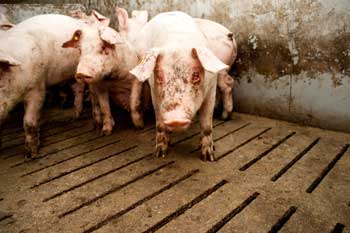
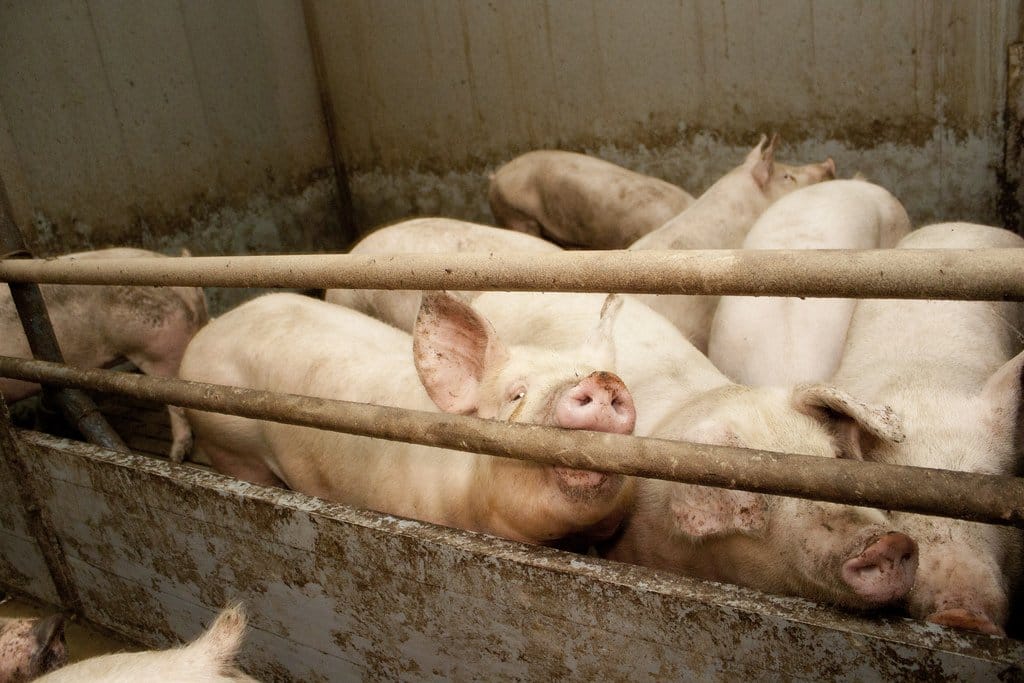
The invention and use of slatted floors has been the most significant advancement in (intensive) pig farming, both economically and in terms of animal welfare. Slatted floors enable the drainage of manure and urine, removing the need for absorbent straw (bare floors) and thus eliminating the labor-intensive task of emptying pens. This also means that a separate area for pigs to defecate is no longer necessary, allowing more pigs to be housed per square meter. This brings additional advantages for the pig farming industry, such as reduced heating costs. On average, pigs have only about 1 square meter of space available to them. However, this limitation prevents pigs from exhibiting their natural behaviors, such as building nests, sleeping and defecating separately, rooting, and regulating their temperature, etc.:annotation{:ids="11"}The ability of animals to display their normal or natural behaviour is one of the pillars of the definition of welfare.
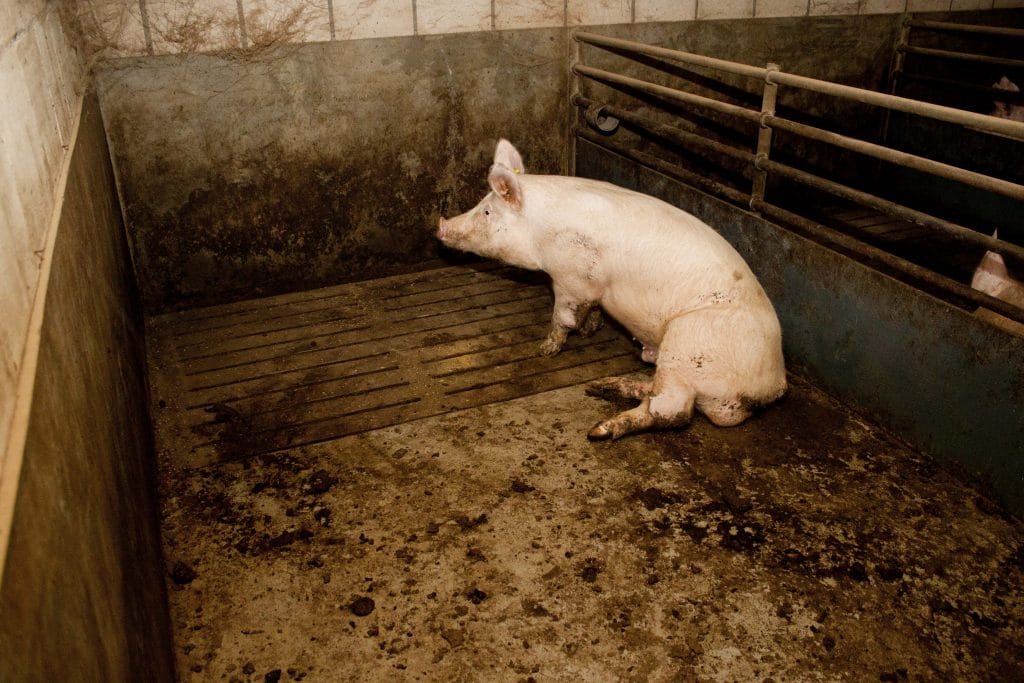
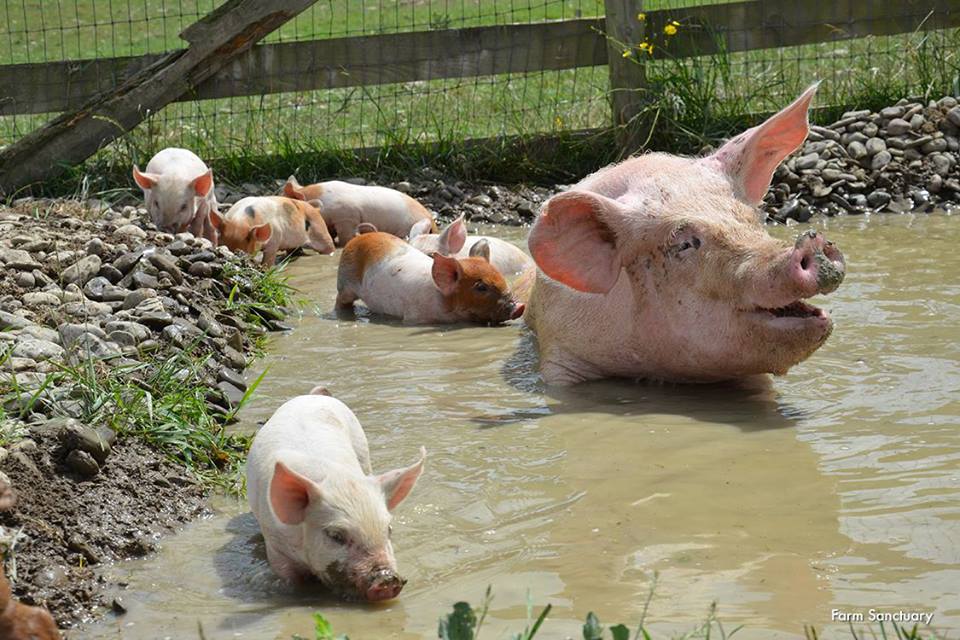
Housing conditions also significantly impact the emotional state of pigs. It turns out that pigs on bare floors reacted more pessimistically than pigs on a floor with enrichment material (straw). [12] For comparison, for hobby pigs, a surface area per pig of at least 75 m² is recommended. [13] Despite increased attention to pig welfare today, it remains quite limited and constrained by modern housing methods. For instance, “soeling” (covering the body with mud) or a mud bath has been greatly undervalued in pig welfare research. Before the rise of intensive livestock farming, it was considered a normal aspect of pig farming, whereas today, the ability to wallow is more of an exception than the norm. To regulate their body temperature, pigs are dependent on farmers and regularly experience heat stress, as temperatures are often kept relatively high to inhibit pig activity and increase growth yields. [14] Conversely, pig houses are extensively ventilated, especially in summer, because high pig densities can lead to overheating, and dust and ammonia concentrations can become excessive. However, drafts can cause stress and unrest, increasing the risk of tail and ear biting.
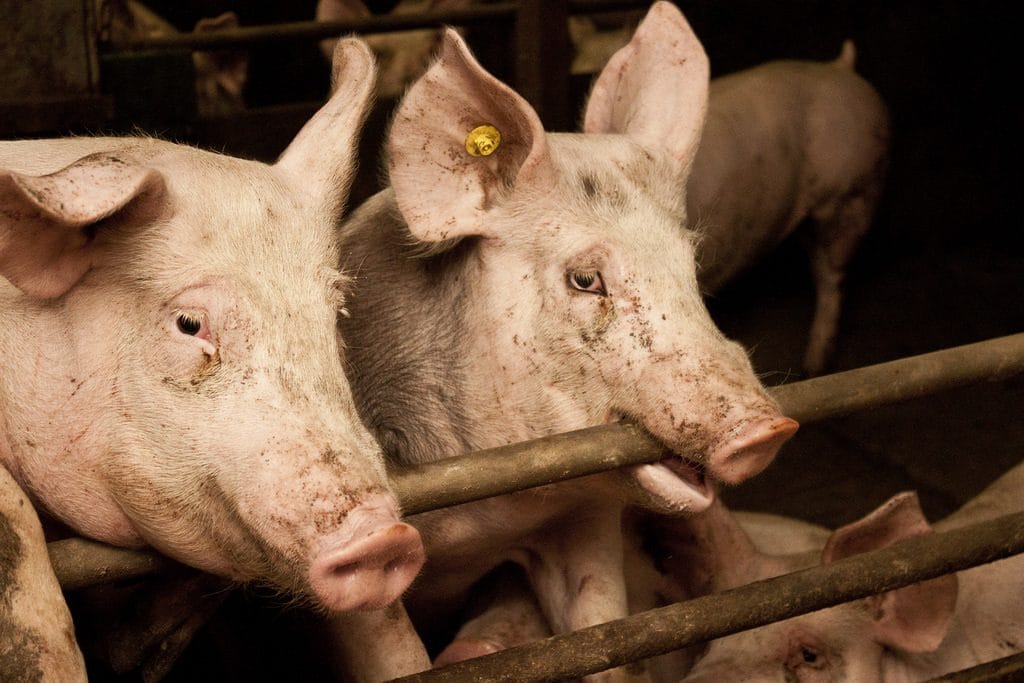
Stereotypic behavior is very common in pigs due to their inability to express natural behaviors. Stereotypic behavior includes repetitive movements and/or actions such as bar biting, tail biting, and other biting behaviors that arise from boredom, frustration, and various forms of stress.
Tail biting
Tail biting is one of the most significant welfare issues in modern pig farming. To prevent this behavior, young pigs have their tails docked at a very early age, which involves cutting off their tails. Tail docking is a painful procedure and does not always effectively prevent tail biting. Additionally, it fails to address the root causes of the problem. According to European Directive 2008/120/EC, tail docking of piglets is allowed, but it should not be performed routinely. However, current practices indicate otherwise.
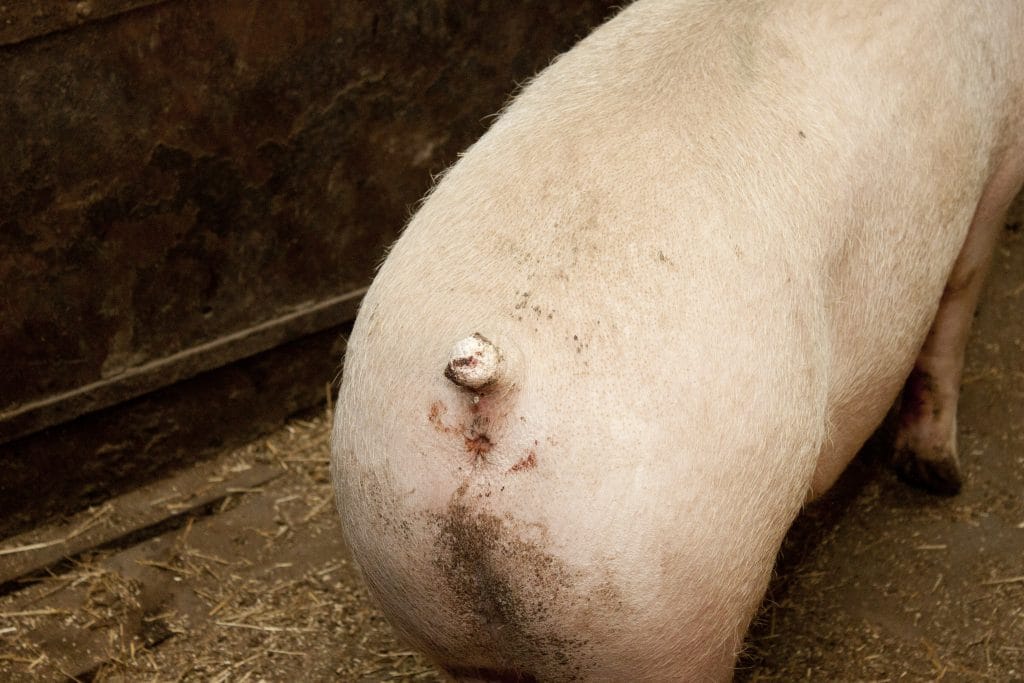
- No straw is present
- A slatted floor is present
- The environment is bare
For instance, research indicates that an enriched environment significantly reduces tail biting. [16] However, recent studies from Wageningen University & Research reveal that tail biting still occurs even when the three previously mentioned welfare requirements are satisfied. This suggests that pigs continue to experience stress despite being in an improved, enriched environment. [17] This aligns with other research that has shown that while housing is crucial for pig welfare, better housing alone (such as on organic farms) does not guarantee optimal welfare, as genetic factors also influence how sensitive a pig is to stress. [18] Other forms of biting behavior, including ear biting, leg biting, and flank biting, are akin to tail biting. These behaviors also arise from boredom and stress due to the inability to exhibit natural behaviors. For instance, piglets are grouped together in large numbers after being separated from their mothers, and pigs from different litters are mixed, leading to additional stress and anxiety.
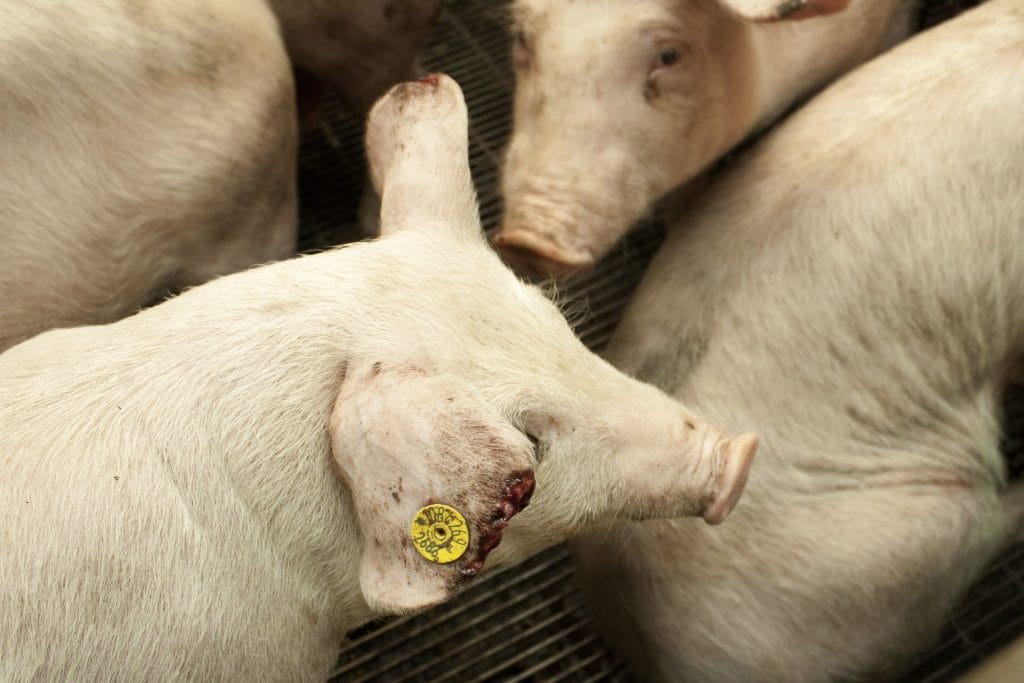
After a gestation period of about 115 days, a pig gives birth to around 14 piglets. Each piglet stays with its mother for about 25 days, receiving her milk during this time. After this, the piglets are "weaned," which means they are separated from their mothers and placed in groups of dozens in a "weaning unit." They remain in the weaning unit for about 7 weeks until they reach a weight of approximately 25 kg.
Next, the piglets are moved to a finishing pig house, where they are typically housed with 7 to 10 pigs in a pen. This can happen on the same farm (closed farm), but often they go to a specific "finishing pig farm." They stay there for about four months until they weigh between 110 and 120 kg. After reaching this weight, they are taken to the slaughterhouse. A "finishing pig" is therefore fattened and slaughtered before its first year of life.
Diseases and abnormalities
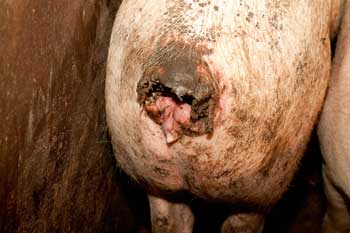
The unnatural living conditions, stable climate, and high infection pressure contribute to various diseases and health issues in pig farming. [19] One major reason is that the limits of maximum production are continually being pushed, leading to relatively low resistance in pigs. For instance, an increasing number of piglets are being born, resulting in smaller piglets with lower resistance. Additionally, selective breeding for rapid growth compromises a pig's resistance, as most energy and nutrients are directed towards muscle and fat production. Another significant factor contributing to the high incidence of diseases is housing. Pigs are kept in unnaturally high densities and large groups, allowing contagious diseases to spread quickly. In 2015, the average pig farm housed at least 3,400 pigs, which is 155% more than in 2000. [20] The number of farms has decreased by 56% during the same period, resulting in 3,400 farms. In other words, there are fewer but larger farms, which further heightens the risk of disease outbreaks and transmission.
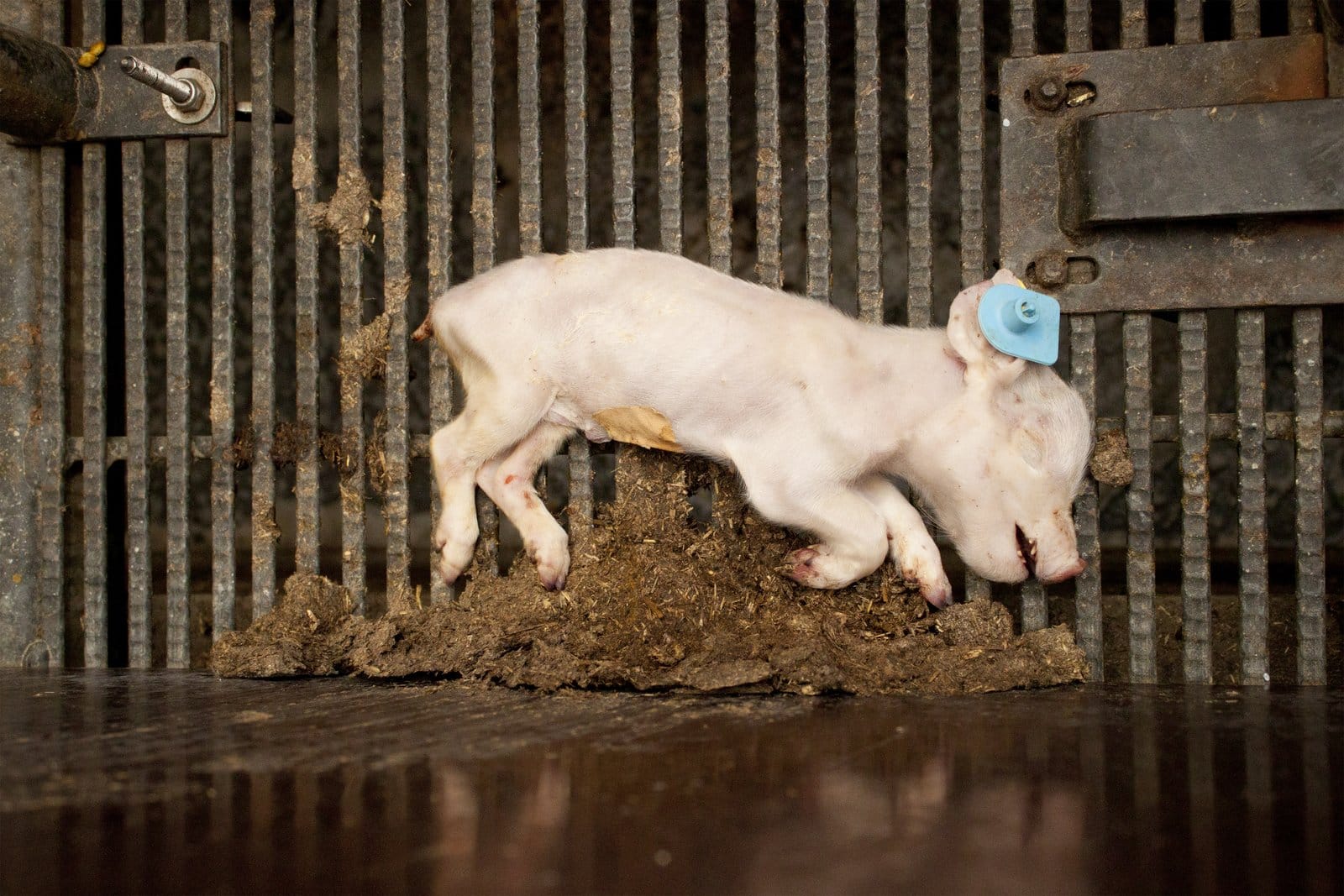
Due to pigs' low resistance to disease and their high population densities, antibiotics are often administered to prevent disease outbreaks. A recent investigation among pig farmers in Belgium indicates that preventative antibiotics are commonly used, with even healthy pigs receiving essential medications meant for infections caused by resistant bacteria. Consequently, newborn piglets frequently become carriers of these resistant bacteria. [21] Pigs are highly sensitive to oxygen deficiency. Stress can lead to overload, resulting in heart failure and ultimately death. This is one reason why pigs are often deprived of food for 12 to 24 hours before being transported to the slaughterhouse (fasting). The digestion of food requires a significant amount of oxygen, and when combined with the stress of transport, this can quickly result in oxygen deficiency. Many diseases are consistently present on farms. For instance, over 95% of pig farms are affected by barn cough (mycoplasma), and more than 90% of farms are infected with PRRSV (abortion blue). [19]
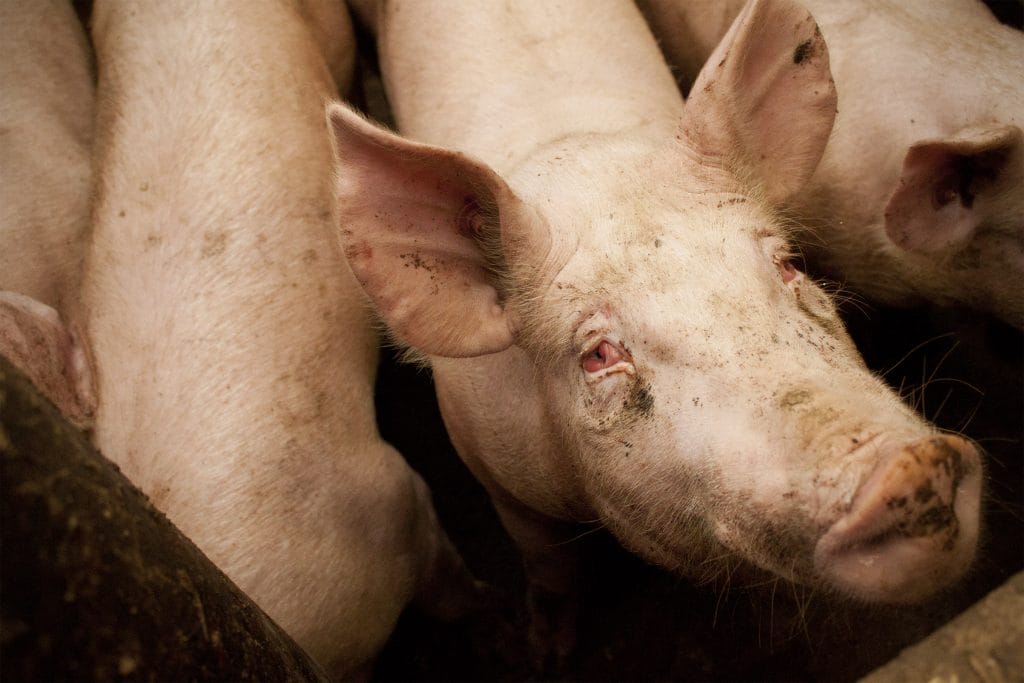
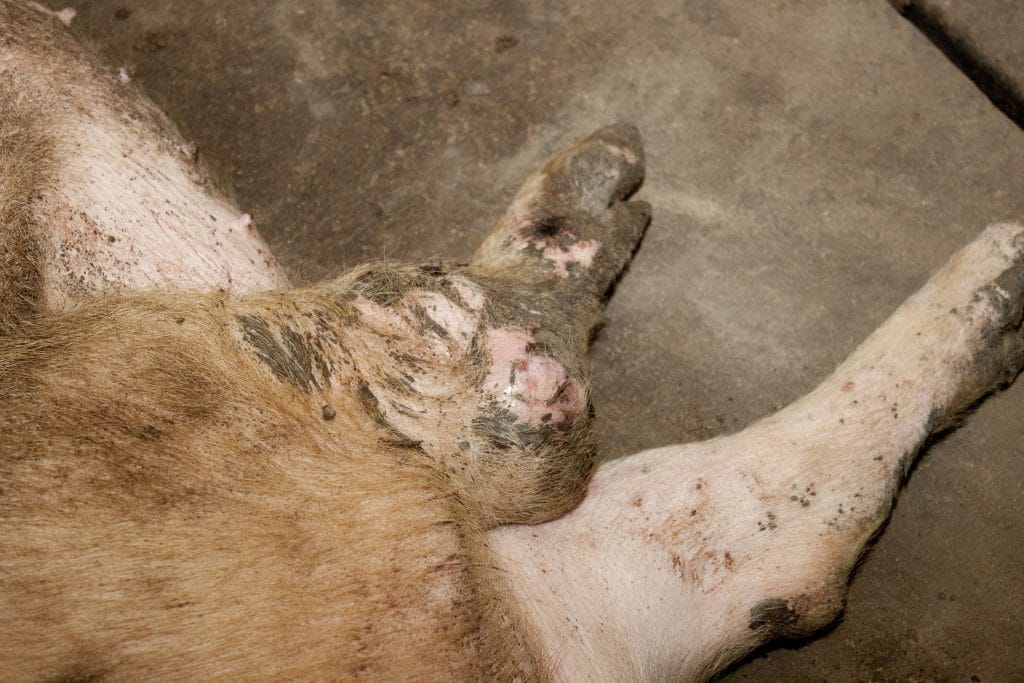
Mycoplasma and PRRSV, along with Chlamydia, are among the most common causes of eye infections. These distinct red, inflamed eyes (conjunctivitis) are frequently observed in pigs, as these pathogens are prevalent on most farms. Besides bacterial and viral infections, ammonia can also lead to red eyes and respiratory issues such as coughing and irritated nasal mucous membranes. Many companies do not ventilate adequately in winter to cut costs (reduce heat loss), leading to ammonia concentrations that can rise as high as 50 ppm. [22] The legal maximum is 20 ppm. Exposure to 50 ppm ammonia for just 3 hours can cause irritation to the eyes and respiratory system. [23] Alongside respiratory and digestive diseases, leg and claw disorders are also common in pigs. Regarding premature culling of sows from pig farms, leg and claw issues rank second only to fertility problems. On average, around 10% of sows experience lameness, for instance. [19] The joints can be affected, with inflammation and osteochondrosis being the most prevalent conditions. Osteochondrosis is a disorder in joint development, primarily caused by selective breeding of pigs for rapid growth (muscle/fat tissue), which leads to delayed bone formation. This is not a significant concern for pigs raised for meat production, as they are typically slaughtered before osteochondrosis can develop. In Sweden, research indicates that sows in group housing, where there is more space per animal, experienced fewer shoulder abscesses (3.0% versus 13.4%) and claw abnormalities (4.6% versus 9.1%) compared to sows in individual loose housing. [24] Greater freedom of movement promotes stronger bones and muscles. [25]
In addition to classical swine fever, African swine fever (ASF) is another concern, which, as the name implies, primarily occurs in Africa. However, since 2007, the virus has also been detected in Eastern Europe/Russia, and since 2014 in the eastern part of Europe, including Poland. In 2018, the virus spread to Belgium and was identified in wild boars in the province of Luxembourg. Following the discovery of the virus in wild boars in the Ardennes, farmers' organizations, hunters, the VVD (People's Party for Freedom and Democracy), and the CDA (Christian Democratic Appeal) parties have collectively called for the culling of wild boars and maintaining a zero-level population to prevent the potential spread of African swine fever (ASF). Wageningen University states that the likelihood of spread by wild boars in the Netherlands is minimal. [26] In a previous outbreak in the Netherlands and Belgium, the spread was attributed to human activity, not wild boars. The recent detection of ASF in wild boars in the Ardennes also seems to stem from human actions, as the distance to infected areas in Eastern Europe is too vast for wild boars to traverse. Another possibility is that semi-tame wild boars from Eastern Europe have been reintroduced to the Ardennes, which would not be unprecedented. Several hunters have acknowledged this, and DNA research has confirmed that semi-tame wild boars have been released in the Ardennes. [27] Furthermore, hunters themselves represent one of the greatest risk groups for spreading the disease. Through hunting tourism, they may encounter infected animals in Eastern Europe and inadvertently introduce ASF into the Netherlands.
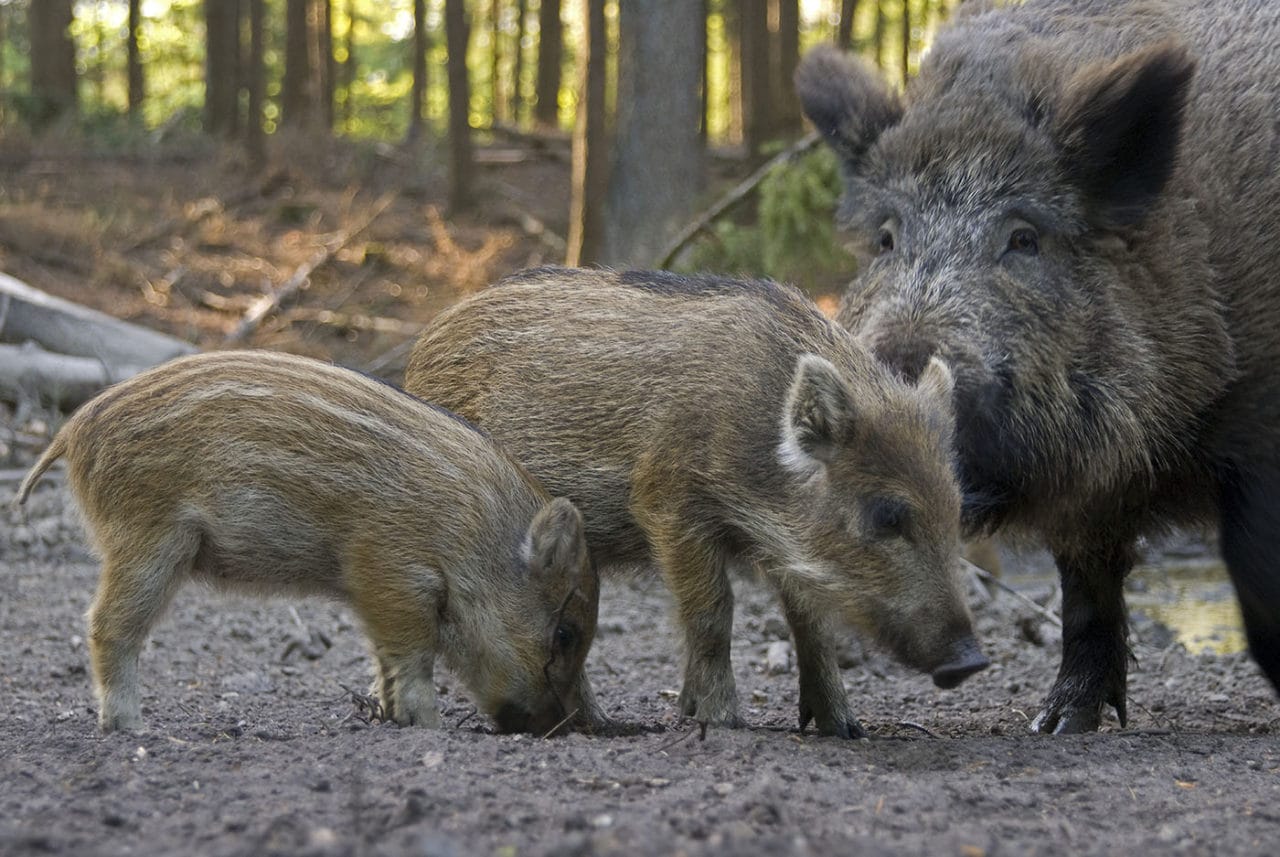
Scientific studies also indicate that hunting is counterproductive, as it can further propagate the disease and is not an effective control measure. [28] Animals are hunted and flee, disrupting the balance, and vacant spaces are filled by animals from other areas. The supplementary feeding of wild boars, often conducted by hunters, has also been identified as an additional risk factor for the spread of ASF in the same investigation.
The international transport of live animals rarely gets attention in the media, and farmers' organizations hardly mention it. For instance, the Netherlands imports pigs mainly from Belgium and Germany. Meanwhile, it exports live pigs primarily to Germany, but also to countries like Poland, Romania, and Hungary, where the ASF virus has been present for a while. While it's easy to blame wild boars as potential spreaders, this perspective distorts the reality of the situation.
Sources
- 12
Douglas, C. et al.(2012). Environmental enrichment induces optimistic cognitive biases in pigs. Appl. Anim. Behav. Sci. 139, p. 65-73.
- 13
Diepens, R. (2016) The Big Little Pig Book. Naturally in the South ISBN 978-90-825135-0-9
- 14
Bracke, M.B.M. (2010) Sowing of pigs and implications for animal welfare. Wageningen UR Livestock Research, report 381
- 15
EFSA (2007) Scientific Opinion of the Panel on Animal Health and Welfare on a request from Commission on the risks associated with tail biting in pigs and possible means to reduce the need for tail docking considering the different housing and husbandry systems. The EFSA Journal 611, p. 1-13
- 16
Bolhuis, J.E. et al. (2006) Effect of rearing and housing environment on behavior and performance of pigs with different coping characteristics. Appl. Anim. Behav. Sci. 101, p. 68-85
- 17
Geert van der Peet et al. (2016) Keeping pigs with an intact tail. Implementing step 1 of the Dalfsen Declaration: demonstration project, practical network, and international collaboration. Wageningen UR Livestock Research. Report 939
- 18
Sutherland M.A et al.(2013). Animal health and welfare issues facing organic production systems. Animals 3:1021–1035.
- 19
Diseases in pigs (2011) Department of Sustainable Agricultural Development, Flemish Government. Deposit number D/2010/3241/391
- 20
CBS, September 23, 2016
- 21
Callens, Bénédicte (2015) Antimicrobial use and resistance in Belgian pig production, PhD thesis, Ghent University
- 22
Aarnink, A. et al. (2014) Towards energy-neutral pig houses with air recirculation: the Energy House. Wageningen UR Livestock Research; Livestock Research, Report 814
- 23
Wathes, C.M. et al. (2003) Ammonia concentrations and emissions in livestock production facilities: guidelines and limits in the USA and UK. Agricultural and Biosystems Engineering; Conference Proceedings and Presentations. Paper No. 034112
- 24
Hultén, F. et al. (1995) A field investigation on group housing of lactating sows with special reference to sow health at weaning. Acta Veterinaria Scandinavica 36(2): p. 201-212.
- 25
Marchant, J.N. et al. (1996) Effects of dry sow housing conditions on muscle weight and bone strength. Animal Science 62(1): p. 105-113
- 26
Vandersmissen, T. et al. (2012) Stillborn piglets and piglet mortality on modern pig farms. Brochure European Agricultural Fund for Rural Development
- 27
Considerations for Inducing Parturition (2012) Farmers' Union, Management & Technology; Pigs. June 8, 2012
- 28
Diepens, R. (2016) The Big Little Pig Book. Naturally in the South ISBN 978-90-825135-0-9