Chapter 5 / 5
Quality labels
Quality marks
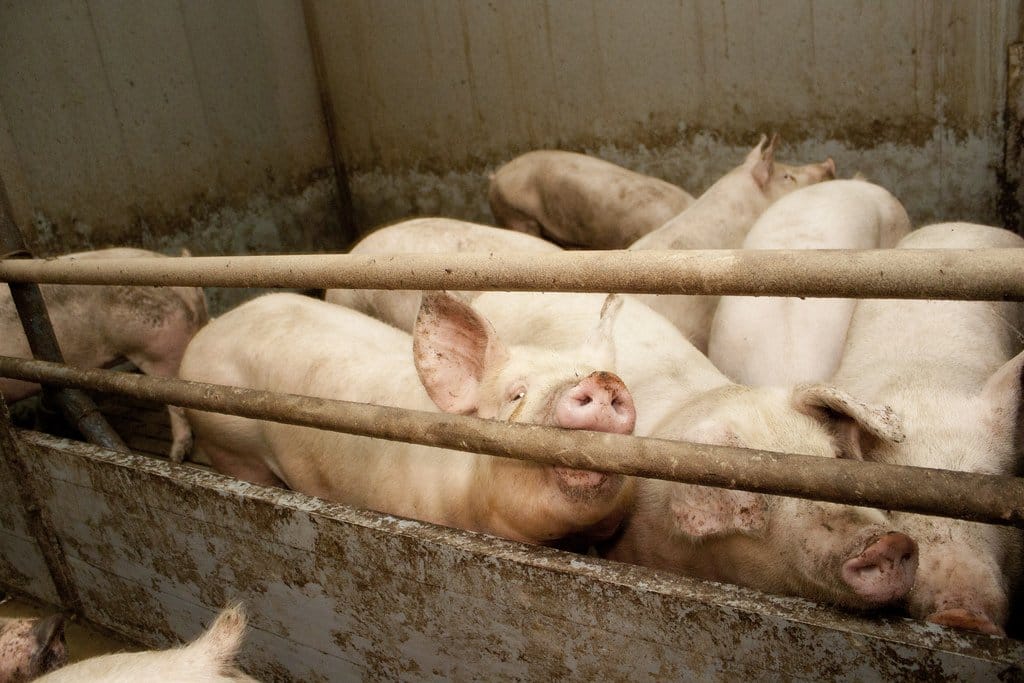
The pig industry offers several quality marks and projects that promise better animal welfare. However, many of these claims are hard to verify because of vague terminology and often a lack of legal standards. For instance, "free-range" does not have a legal definition. PROduCERT created the rules for the free-range meat quality mark, but the terms and conditions are not available on their website and must be requested via email.
Table 1 displays the most important official quality marks related to animal welfare, along with a summary of their characteristics. Figure 2 illustrates the share of the different Beter Leven quality marks.
| Conventional | Beter Leven ★ | Beter Leven ★★ | Beter Leven ★★★ | Milieukeur2 | Skal Organic | Free-range | |
|---|---|---|---|---|---|---|---|
| Area per pig (m²) | 0.8 | 1 | 1.1 | 1.3 | 1–1.1 | 0.8–1.3 | 0.7–1.2 |
| Outdoor access | no | no | covered | covered | no | yes | yes |
| Outdoor area for finishing pigs (m²) | N/A | N/A | 0.7 | 1 | N/A | 0.4–1.0 | 25 |
| Outdoor area paved? | N/A | N/A | yes | yes | N/A | allowed | allowed |
| Outdoor area covered? | N/A | N/A | fully allowed | max. 75% | N/A | max. 75% | fully allowed |
| Tail-docking prohibited | no | no | yes | yes | no | yes | yes |
| Castration prohibited | no | yes | no | no | yes | no | no |
| Days piglets stay with sow | 21–28 | 21–28 | min. 35 | min. 42 | not specified | not specified | not specified |
| Sow loose in farrowing pen | no | no | from day 5 | from day 3 | not specified | yes | from day 4 |
| Enrichment material | chain | rope, wood, straw cylinder | straw | straw | yes1 | yes1 | straw |
| Piglet transport (max. hours) | unlimited | 6 | 4 | 4/62 | not specified | not specified | not specified |
| Finishing pig transport (max. hours) | unlimited | 8 | 6 | 6 | not specified | not specified | not specified |
1 Not further specified. 2 4 for organic and 6 for non-organic.
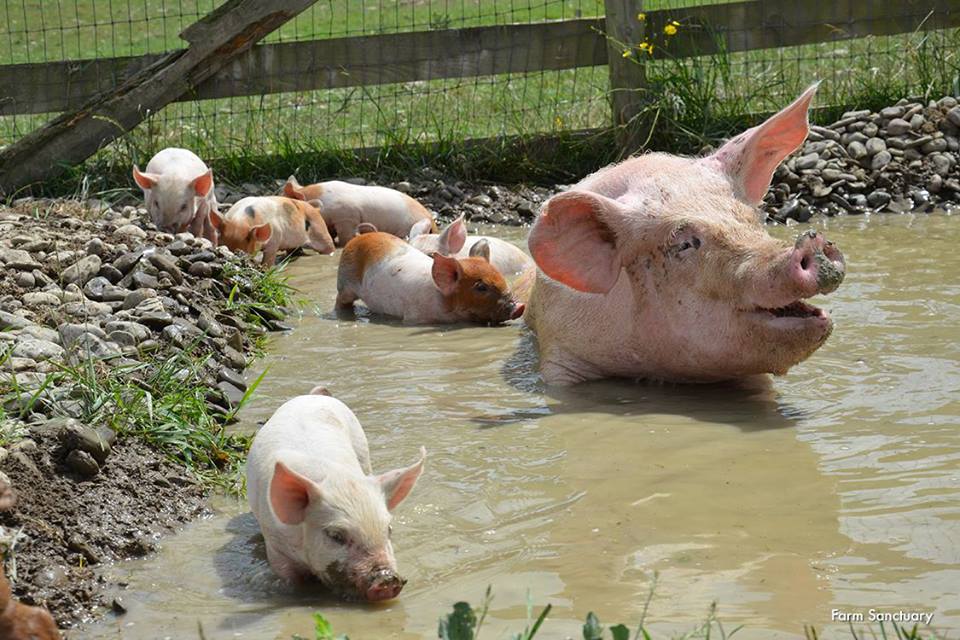
Organic pig farming features two quality marks: the EKO quality mark and the European organic quality mark. The 3-star Beter Leven certification differentiates between non-organic (Livar) and organic pigs. The key distinction is the space allocated per animal in the covered run. Interestingly, castration is not prohibited for organic pork. While "free-range" sounds appealing, it may not be as beneficial as it seems. For instance, the runs can be paved, and in many cases, up to 75% of the area can be covered. Pasture grazing is only allowed for pregnant sows under the 3-star Beter Leven certification. The space allocated per pig is minimal for most certifications, ranging from 0.6 to 1.0 m² for finishing pigs and 1.0 to 2.5 m² for sows. Only free-range pigs have more space in the run (25 m²). As mentioned earlier, a minimum of 75 m² is recommended for hobby pigs. [35]
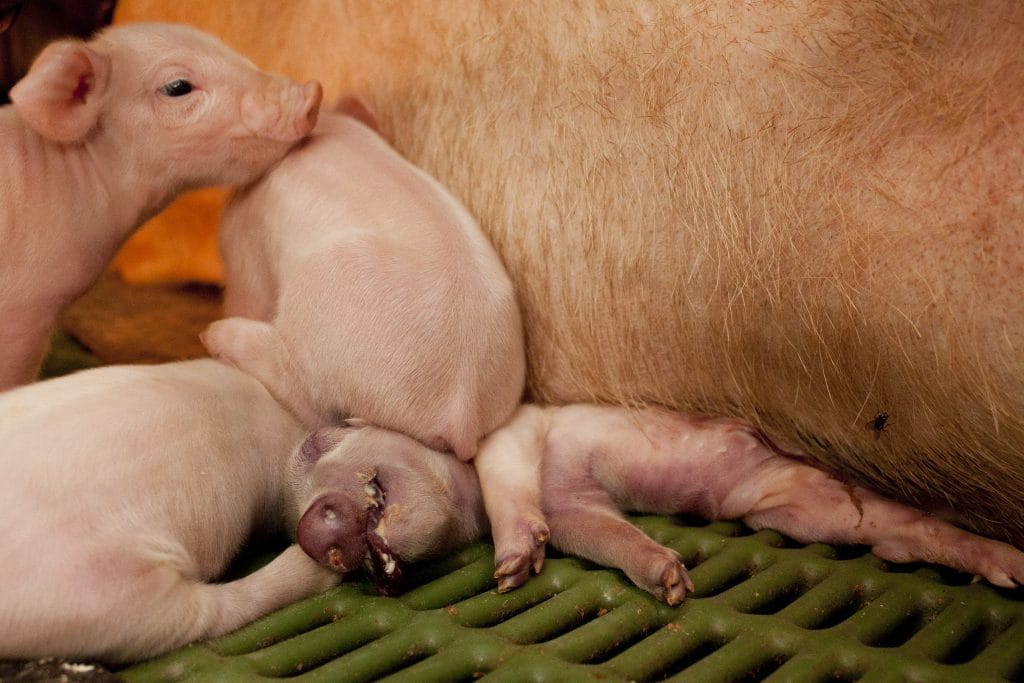
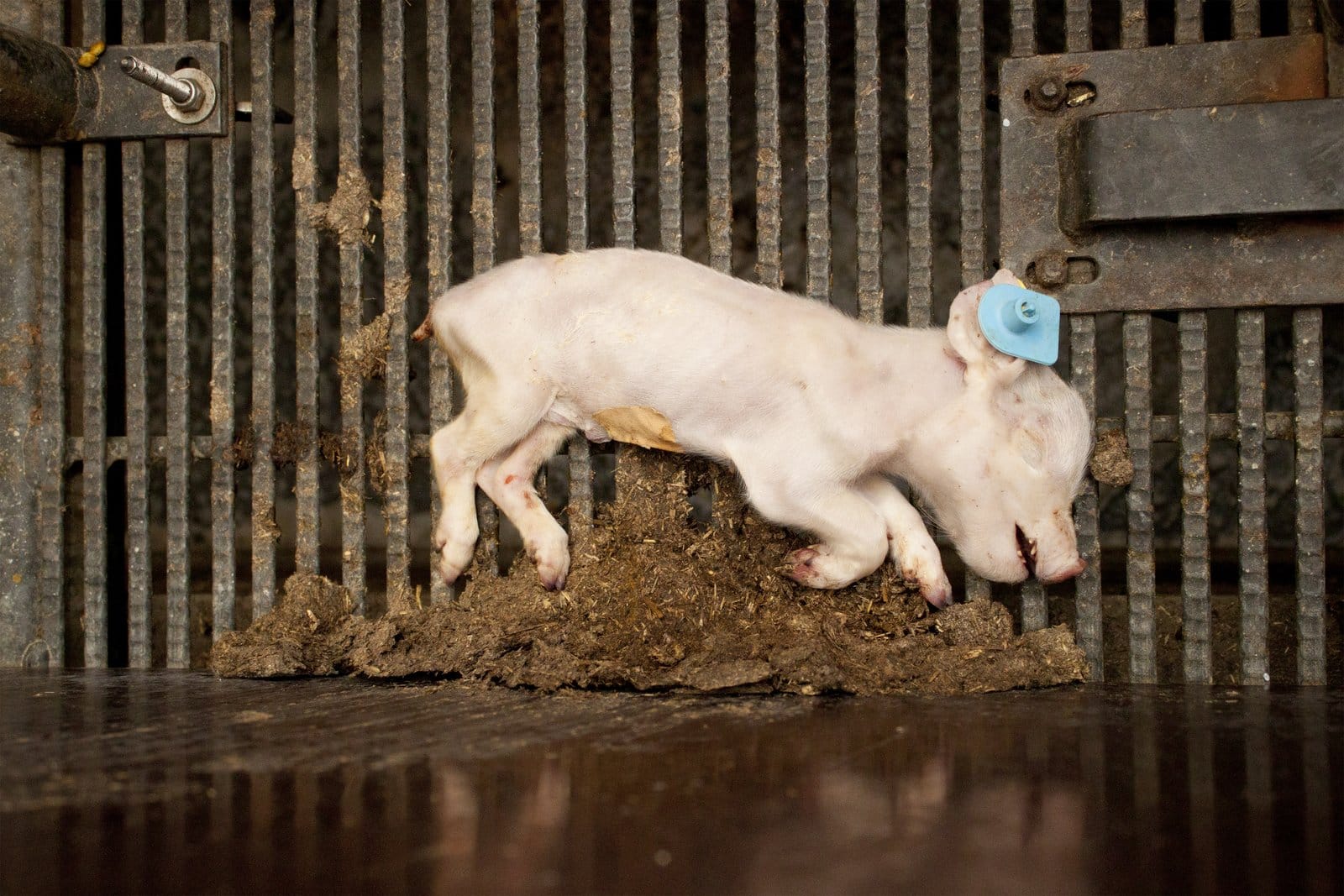
However, more space can also have disadvantages in modern livestock farming. For instance, research indicates that piglet mortality rates up to weaning are significantly higher in organic pig farms (around 20%) compared to conventional housing (13%). [36] Another investigation revealed that while free-feeding resulted in fewer deaths at birth than traditional farrowing, the number of deaths increased after farrowing. [37] Risk factors for crushing include a large number of piglets, low birth weight, the condition of the mother pig's legs, and stress experienced by the mother pig and/or the piglets (due to competition for milk, poor maternal traits from selective breeding, etc.). Even though the mother pig has more space, the highly unnatural living conditions and selective breeding do not necessarily result in improved welfare for the pigs.
Sources
- 35
Diepens, R. (2016) The Big Little Pig Book. Naturally in the South ISBN 978-90-825135-0-9
- 36
Higher piglet vitality in Dutch sow farming, 5th progress report; August 19, 2015. Piglet Vitality Steering Group.
- 37
van Nieuwamerongen, S.E. et al. (2014) Literature review on group housing of farrowing sows and their piglets, Wageningen UR Livestock Research, Report 757
What can you do?
Share this investigation with people around you.