Chapter 1 / 5
Natural life
Intelligent and sensitive
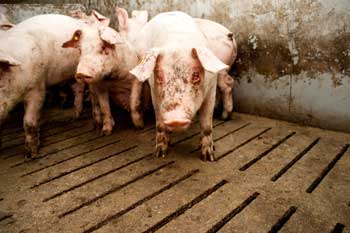
Pigs are highly intelligent, curious, and social animals. For instance, pigs can recognize objects of various colors and shapes, possess a sense of time, identify different individuals (including both pigs and humans), have a long-term memory, and excel at certain games more than dogs and primates. [1] The Utrecht School of the Arts and Wageningen University & Research (WUR), for example, have developed a computer game that allows people to play games with pigs.
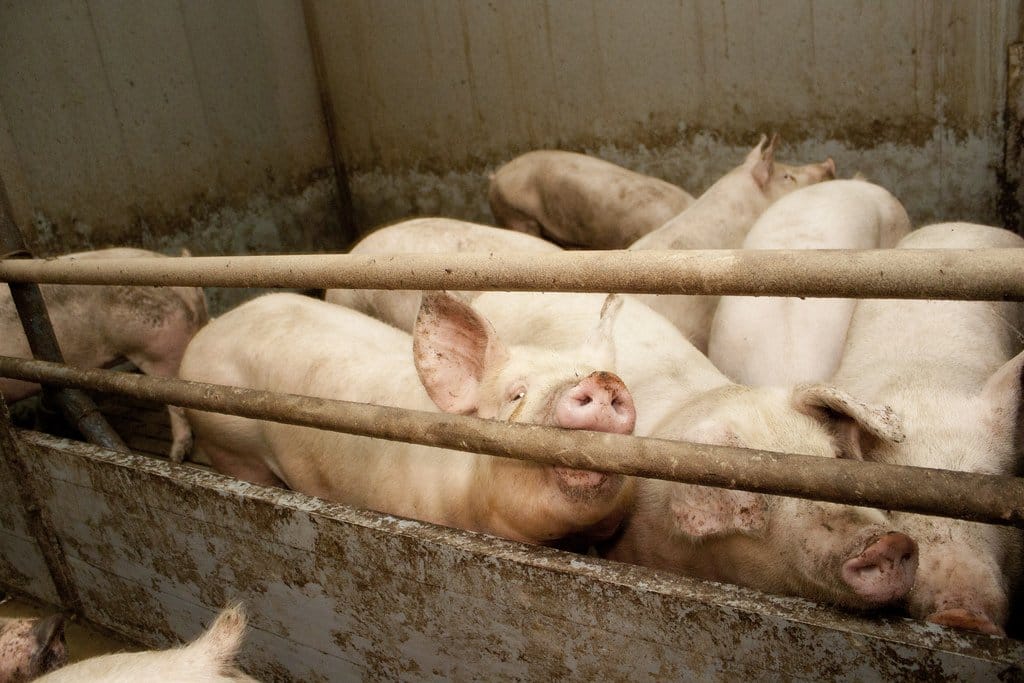
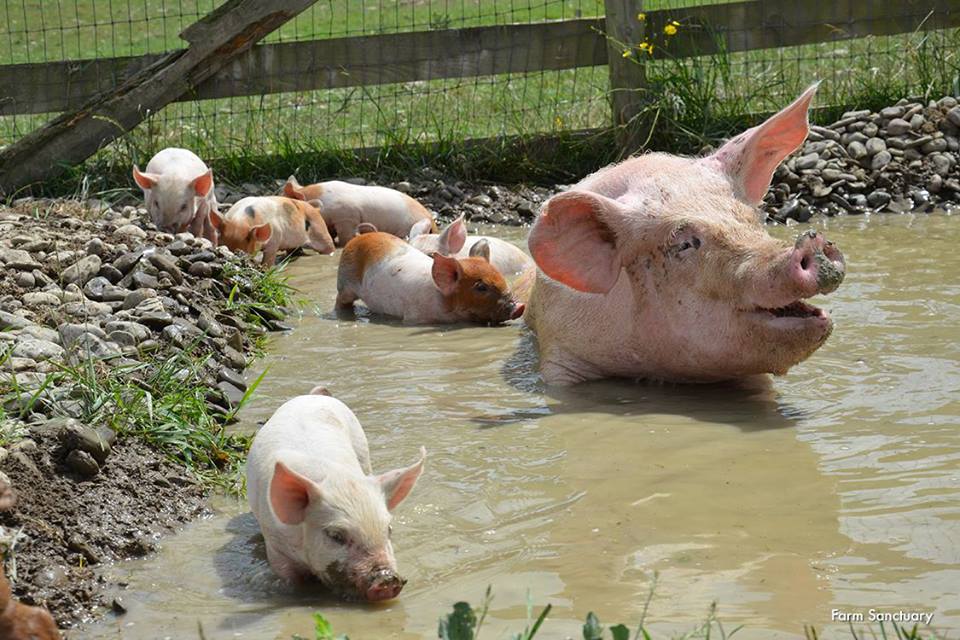
Pigs naturally live in groups of 1 to 4 individuals, including their young, and typically have only one male (boar). Play is crucial for pig development. For instance, piglets raised in environments where they can play with objects and other piglets show greater social and cognitive development. Pigs sleep in nests, which usually consist of a hole carefully covered with branches and/or grass. They also have designated areas for defecation, making them very clean and well-behaved animals when given the option. Since pigs cannot sweat, they frequently take mud baths to regulate their temperature and maintain cleanliness. Pigs are primarily active in the morning and evening, often resting and sleeping around midday.
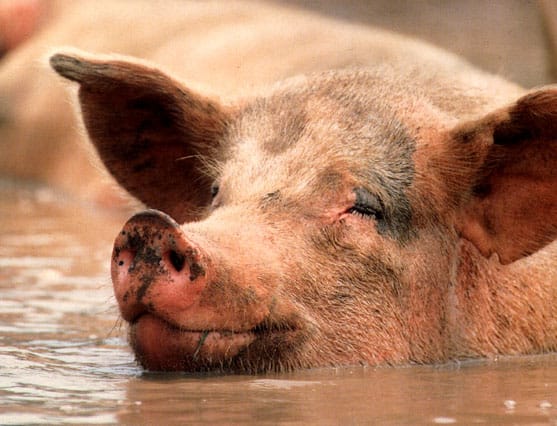
A pig's distinctive snout is one of its most important body parts, as it connects them to the outside world; it contains most of their nerve endings, which they use to root around in the soil. Pigs root about 70% of the time when given the chance, and they do not do this solely to search for food. Rooting also alleviates stress and helps them meet their iron needs by absorbing iron-rich minerals. [2] Pigs possess a strong sense of smell through their noses, which is one reason they are used for truffle hunting.
Pigs are highly sensitive animals. For instance, they can become stressed easily. Sudden noises and loud sounds can cause their heart rate and blood pressure to increase rapidly. Additionally, pigs are very social creatures and appreciate physical contact with others of their kind. To communicate, pigs can produce up to 20 different sounds, including grunts and screeches. [3] Pigs are also affected by the emotional states of other pigs, which can be considered the most basic form of empathy. [4]
The exact time when pigs were domesticated is not known, but estimates suggest it occurred between 7000 and 9000 BC. All domesticated pigs are descendants of the wild boar, and it is estimated that there are currently around 300 breeds of pigs. [5]
Sources
- 1
Marino, L. & Colvin, C.M. (2015) Thinking pigs: a comparative review of cognition, emotion, and personality in Sus domesticus. International Journal of Comparitive Psychology, 28
- 2
Fokkinga, Anno (2004) The Pig Book. Publisher THOTH Bussum ISBN 9789068683738
- 3
Watson, Lyall (2004) The whole hog: exploring the extraordinary potential of pigs. Smithsonian books Washington. ISBN 1-58834-216-6
- 4
- 5
Sanders, Violette (2000) The Pig as a Companion Animal. Etiko Publishers Nieuw Vennep ISBN 9789052661582